

Dermatology is often seen as a visual specialty, but the reality goes much deeper. Every day, dermatologists make decisions that affect health, confidence, and long-term quality of life. From detecting skin cancer early to managing chronic conditions like psoriasis, your skills shape patient outcomes more than any device or product.
If you are training to become a dermatologist or already working in the field, understanding which skills matter most will help you grow faster and practice better. This guide focuses on the skills that patients trust, employers look for, and successful dermatologists rely on every day.

What is a Dermatologist?
A dermatologist is a medical doctor who specializes in conditions affecting the skin, hair, nails, and mucous membranes. This includes medical issues such as acne, eczema, infections, autoimmune disorders, and skin cancers. Many dermatologists also perform surgical and cosmetic procedures.
In the United States, dermatologists complete medical school followed by an internship and a dermatology residency accredited by the American Board of Dermatology. While training paths vary internationally, the core responsibilities remain the same: accurate diagnosis, safe treatment, and long-term patient care.
Because dermatology blends science, observation, and patient interaction, success depends on a wide mix of soft and technical skills.
5 Soft Skills Dermatologists Must Have
You may ask, why do soft skills matter so much in dermatology? To simply answer that, many skin conditions affect how patients feel about themselves. Some treatments take months to work. Strong soft skills help you build trust and keep patients engaged in their care.
1. Communication Skills
Clear communication is one of the most valuable dermatologist skills. You explain complex diagnoses in short appointments. You give treatment plans that patients must follow at home.
Strong communicators avoid medical jargon. They explain what a condition is, why it happens, and what improvement looks like. Studies in patient safety consistently show that clear communication improves treatment adherence and follow-up care.
Good communication also protects you legally. Patients who understand their care are less likely to feel misled or confused.
2. Empathy and Patient Awareness
Skin issues can be deeply personal. Acne, hair loss, and pigmentation disorders often affect self-esteem and social life. Empathy helps patients feel respected, not judged.
This does not require long conversations. Simple actions like listening without interrupting and acknowledging concerns make a difference. Patients who feel understood are more likely to return and trust your guidance.
3. Attention to Detail
Dermatology is detail-driven. A slight change in color or border can separate a benign mole from melanoma. Missing small details can delay diagnosis and worsen outcomes.
Attention to detail also applies to documentation, biopsy handling, and follow-up notes. Many clinical errors happen due to rushed observations, not lack of knowledge.
4. Time Management
Most dermatology clinics run on tight schedules. You may see dozens of patients per day while performing procedures in between.
Good time management allows you to stay focused without rushing care. This includes structuring appointments, prioritizing urgent cases, and keeping patient education clear and efficient. Dermatologists who manage time well experience less burnout and have higher patient satisfaction rate.
5. Professionalism and Ethical Judgment
Dermatologists face ethical choices, especially in cosmetic care. Not every procedure is necessary. Not every patient expectation is realistic.
Professionalism means setting honest expectations, following consent standards, and putting patient safety first. Medical boards in the US emphasize ethics as a core competency, especially as cosmetic dermatology continues to grow.
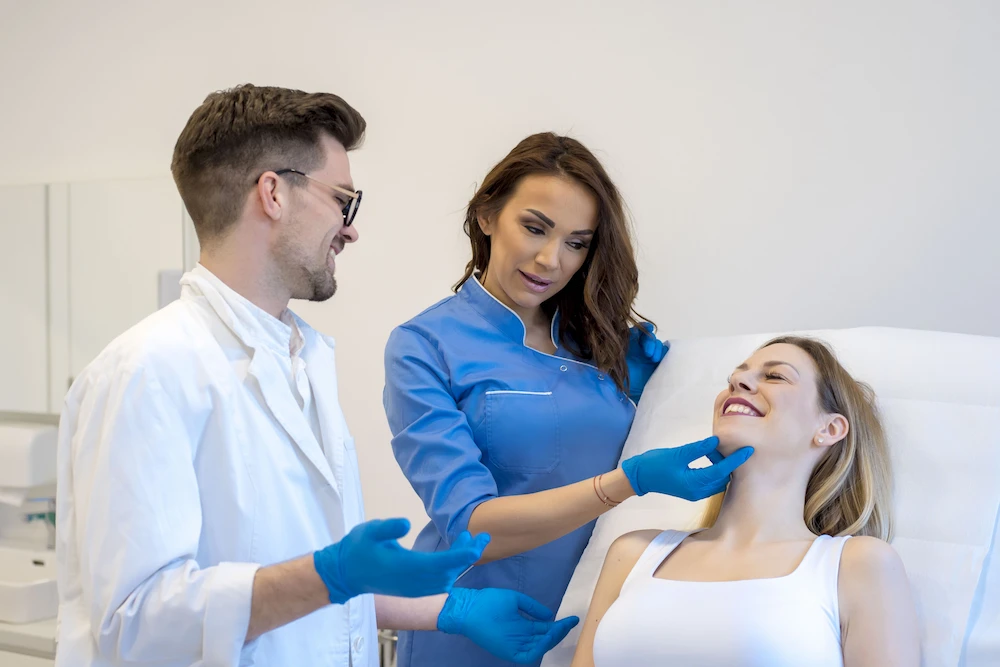
5 Must-Have Dermatologist Skills
Technical skills are the foundation of safe and effective dermatology practice. While soft skills help you build trust, these abilities determine how well you diagnose conditions, choose treatments, and manage risk. They develop through training, repetition, and continuous learning, not overnight.
As dermatology evolves with new therapies, devices, and patient needs, these skills become even more important. Mastering them allows you to deliver consistent care, adapt to new clinical settings, and meet the expectations of modern dermatology practices in the United States and internationally.
Clinical Diagnostic Skills
Dermatology relies heavily on pattern recognition. You must identify conditions across different ages, skin tones, and disease stages.
Strong diagnostic skills reduce unnecessary biopsies and prevent missed cancers. Training with real cases, images, and supervised clinics strengthens this ability over time. Research shows that repeated visual exposure improves diagnostic accuracy more than textbook study alone.
Procedural and Surgical Skills
Most dermatologists perform procedures such as biopsies, excisions, cryotherapy, and laser treatments. Cosmetic dermatology adds injections and resurfacing techniques.
Procedural skill is not just about technique. It includes patient positioning, sterile practice, wound care, and aftercare instructions. Poor execution increases scarring and complications, which directly impacts patient trust.
Dermoscopy and Diagnostic Technology
Dermoscopy is now a standard tool in dermatology. It improves accuracy in evaluating pigmented lesions and helps track changes over time.
Many clinics also use digital imaging for mole mapping and treatment monitoring. Comfort with these tools shows you are prepared for modern practice and improves early detection of skin cancer.
Pharmacology and Treatment Planning
Dermatologists prescribe a wide range of medications, from topical steroids to biologic therapies. Each carries risks, interactions, and monitoring needs.
Understanding pharmacology helps you personalize treatment and avoid complications. This is especially important for chronic conditions that require long-term therapy. Safe prescribing is a core expectation in both hospital and private practice settings.
Skin of Color Competence
Skin conditions can look very different across skin tones. Underdiagnosis in patients with darker skin has been highlighted in recent medical education research.
Dermatologists who understand these differences provide better care and build trust in diverse communities. This skill is increasingly valued in the US and global healthcare systems.
Bonus Tips for New Professionals: How to Ace a Job Search for a Dermatologist Role
How do you stand out when applying for dermatology roles? Strong clinical skills matter, but how you present them matters just as much.
Gain Targeted Clinical Experience
Seek electives, fellowships, or observerships aligned with your interests. Whether cosmetic, pediatric, or surgical dermatology, focused experience shows commitment and clarity.
Employers prefer candidates who know where they want to grow.
Highlight Skills with Real Outcomes
Avoid vague skill lists. Instead, show results. Mention procedures performed, patient volumes handled, or improvements achieved during training. Specific examples make your experience more credible and memorable.
Stay Current with Industry Developments
Dermatology evolves quickly. New biologics, laser technologies, and treatment guidelines appear every year.
Following updates from reputable organizations, such as the American Academy of Dermatology, shows you are committed to ongoing learning. This matters during interviews and performance reviews.
Build a Professional Presence
Many practices review online profiles. A professional LinkedIn profile, research contributions, or educational content can support your credibility. Be mindful of personal social media. Professional reputation matters in healthcare.
Prepare for Practical Interviews
Some employers assess clinical reasoning, not just credentials. Practice explaining how you evaluate and manage common conditions. Clear thinking and structured explanations often matter more than perfect answers.
Write a Compelling Medical Resume with Expert Guidance
Even the strongest skills can be overlooked if your resume does not communicate them clearly. Dermatology resumes require structure, focus, and relevance. Many professionals struggle to translate clinical experience into language that hiring managers quickly understand. This is where expert support helps.
We, at ResuMeds, work with medical professionals to create resumes that highlight real skills, practical experience, and career direction. If you want your dermatology skills to stand out in a competitive market, expert guidance can make the difference. Contact us to find out more about our service!