

Radiologic technologists play a big role in modern healthcare. You help doctors find problems inside the body using images. You also support patients during stressful moments. Because of this, your skills matter a lot. The demand for skilled radiologic technologists continues to grow in the United States and around the world. According to the U.S. Bureau of Labor Statistics, jobs in this field are rising faster than average as more people need imaging for diagnosis and treatment.
If you want to do well in this career, you need more than technical skill. You need people skills, problem-solving skills, and the ability to work under pressure. This guide helps you understand the top skills you need and how they help you succeed every day.
Why It’s Important to Have Skills as Radiologic Technologists
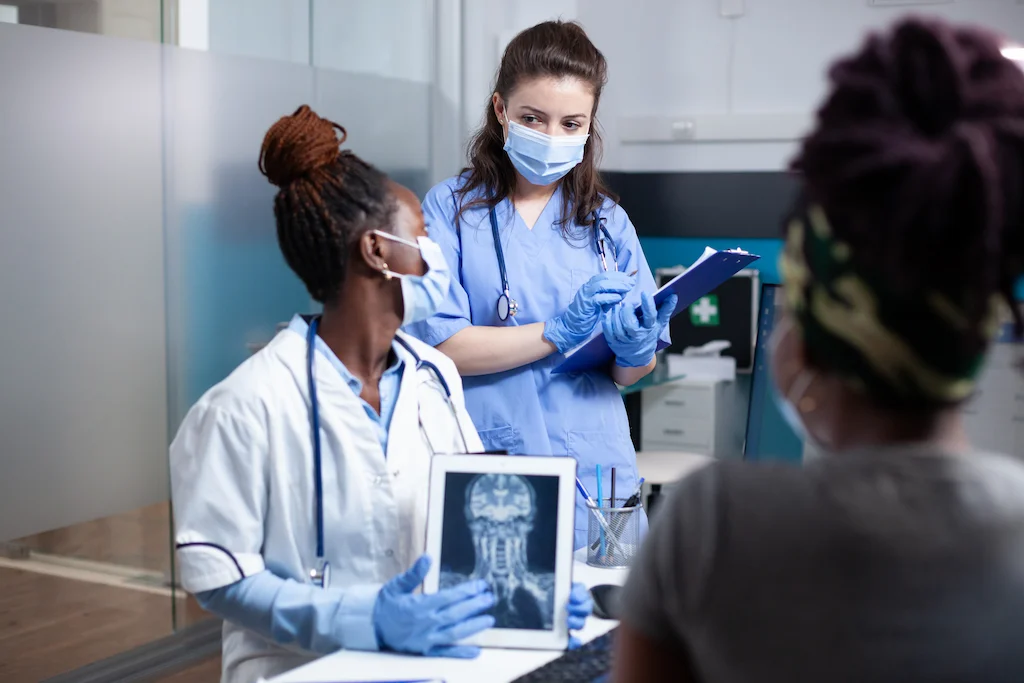
Radiologic technologists need strong skills because you handle both people and technology every day. You help doctors see what is happening inside the body, and your images guide important medical decisions. When you know how to position patients, operate machines, and follow safety rules, you help prevent mistakes and keep care moving smoothly. Good skills also protect patients from extra exposure and help doctors make fast and accurate diagnoses.
These skills also support your growth in the field. Healthcare systems continue to update imaging tools and move toward more digital workflows. When you stay skilled, you can adapt to new machines, new standards, and new responsibilities. This helps you stay confident on busy days, work well with your team, and stand out for future opportunities in clinics, hospitals, and imaging centers around the world.

Top 10 Technical Skills Radiologic Technologists Need Most
Radiologic technologists must understand how machines work and how to create clear images. These are the technical skills that matter most in the job.
1. Imaging Equipment Operation
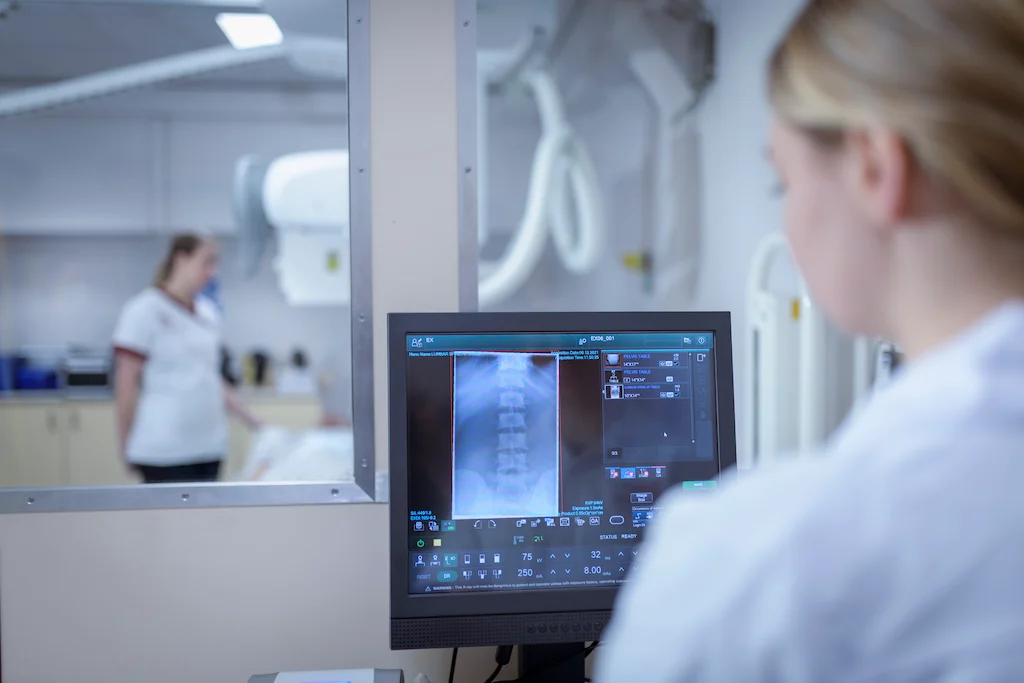
You must know how to use X-ray, CT, MRI, and digital imaging tools safely and correctly. This includes choosing the right settings for each scan and understanding how the machine reacts to different body parts. When you know the controls well, you produce clear images that doctors can trust.
2. Patient Positioning
Positioning is one of the most important skills in imaging. The angle of the body decides how clear the image will be. You need to place the patient in the right spot, support them if they feel discomfort, and explain each move in simple terms. Good positioning reduces repeat scans and helps doctors see the exact area they need.
3. Radiation Safety
You must follow strict rules to protect patients and staff from unnecessary radiation. This includes using shields, monitoring exposure, and keeping the machine at safe levels. When you follow safety steps every time, you lower risks and create a safe environment for everyone in the room.
4. Image Quality Control
Clear images lead to accurate diagnosis. You should know how to check brightness, contrast, sharpness, and body alignment. If something looks off, you adjust it right away. Strong image quality skills save time, reduce retakes, and help radiologists read results with confidence.
5. PACS and Digital Record Systems
Hospitals use digital systems to store and send images. You must know how to upload files, label them correctly, and organise them so other staff can find them fast. Proper file management keeps the workflow smooth, especially during busy hours.
6. Anatomy Knowledge
You need a basic understanding of bones, organs, and tissues so you know what the image should show. This helps you choose the right view and understand what the doctor expects. Good anatomy knowledge supports better accuracy and faster decision-making.
7. Machine Troubleshooting
Machines do not always work the same way every day. Sometimes a sensor stops responding or an image loads slowly. You must know how to solve simple problems before calling for help. Quick troubleshooting prevents long delays and keeps patient care moving forward.
8. Emergency Procedure Skills
In emergency situations, you work fast while still keeping the patient safe. You may need to scan trauma patients, move quickly between rooms, or handle urgent cases without time for long preparation. Knowing emergency steps helps you stay calm and support doctors when time matters most.
9. Infection Control
Clean equipment protects patients from harmful germs. You must follow hospital cleaning rules, use the right wipes and barriers, and prepare the room after every scan. Infection control is essential, especially for seniors, babies, and people with weak immune systems.
10. Adaptation to New Technology
Imaging technology changes often. New digital scanners, updated software, and improved safety tools appear every year. You need to stay open to learning, take training sessions, and practise new skills. Adaptable technologists stay competitive and ready for future career opportunities.
Best Soft Skills for Radiologic Technologists
Soft skills help you work better with people. These skills are just as important as technical skills.
- Communication – You explain steps in a simple way so patients understand. You also give clear updates to nurses and doctors.
- Empathy – Many patients feel nervous or in pain. Your kind tone and patience help them feel safe.
- Teamwork – You work with large care teams. Sharing information and helping others makes the entire process smoother.
- Attention to Detail – Small details matter in imaging. You double-check orders, labels, angles, and machine settings before scanning.
- Time Management – Hospitals get busy. Good organisation helps you stay on schedule and reduce long wait times.
- Problem-Solving – If a patient cannot stay still or a machine acts up, you need to think fast and find a safe solution.
- Patience – Some scans take time. Some patients need more guidance. Patience helps you complete each job without stress.
- Stress Control – Imaging rooms get crowded, especially during emergencies. Staying calm protects the patient and keeps the work safe.
How to Highlight Skills in Resume
You can show your radiologic technologist skills clearly on your resume by using simple steps. A strong resume helps employers see your strengths fast and understand how you will help their team.
Step 1: Add a Clean Skills Section
Create a simple skills list with your top technical and soft skills. Use short, direct phrases such as:
- Digital X-ray operation
- Image quality control
- Radiation safety
- PACS file management
- Patient communication
Keep the list short and focused so hiring managers can scan it quickly.
Step 2: Show Skills in Your Work Experience
Use strong sentences that show how you applied your skills on the job. Focus on results and actions.
Examples:
- Performed 40 to 60 scans per shift with high image accuracy
- Supported patients with clear step-by-step instructions to reduce movement
- Followed safety rules and reduced repeat exposure for patients
- Managed PACS files and organised digital images for faster review
This shows you can use your skills in real settings.
Step 3: Highlight Skills in Your Summary
Start your resume with two to three simple lines that show your strongest skills.
Example:
Radiologic Technologist skilled in digital imaging, safe patient positioning, and clear communication. Strong record of producing high-quality images and supporting patient comfort.
Step 4: Include Certifications and Training
Add any licenses or extra training. These prove that your skills meet industry standards.
Examples include:
- ARRT Certification
- Radiation safety training
- CPR or emergency care training
Training shows that you stay updated with new tools and safety rules.
Step 5: Use Skill-Focused Keywords
Use simple keywords that hiring managers and applicant tracking systems understand. Terms like “image quality,” “equipment operation,” “PACS,” and “patient care” help your resume get noticed.
When you show your skills clearly and simply, employers understand what you offer and how prepared you are for the role.
Get Expert Help on Your Career Journey with ResuMeds
Building a strong radiologic technologist career becomes easier when you have a resume that shows your skills clearly. Hiring managers want to see your strengths fast, and a well-written resume helps you present your best work. Resumeds understands what healthcare employers look for and helps you highlight the technical and soft skills that make you a reliable technologist.
With expert resume support, you can show your experience in a simple and organised way. Given that, we, at Resumeds, help you write strong summaries, list your most important skills, and create work history points that match real hiring standards. So, explore our medical resume writing services today and start strong with your job search journey!