

Many jobs today want people who can find facts, test ideas, and solve problems. This is why research experience has become very valuable. Students, career changers, and medical workers all use research skills in different ways. If you have done research, you should know how to list research experience on resume the right way. It can help you get more interviews and show that you can think and work with care.
To help you understand that better, this guide will give you information about what counts as research experience. You will also learn how to list it in a simple and clear format. Companies around the world read resumes fast. They want to see the most important points right away. When you list your research work well, it can make your resume stronger.
What is a Research Experience?
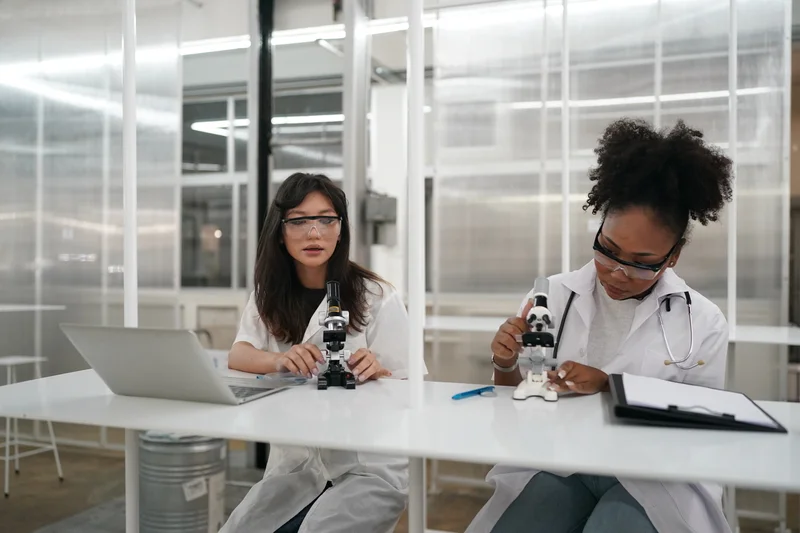
Research experience is any activity where you study a question, gather facts, test ideas, or find answers. Many people think it only happens in labs. But it can happen in classrooms, field studies, hospitals, offices, or even community groups.
Here are some common examples:
- Helping a professor with a study
- Running surveys
- Collecting and cleaning data
- Reviewing past studies
- Writing reports
- Supporting a lab project
- Using tools to measure or track results
Your research does not need to be big or famous. It only needs to show that you followed a method, learned from data, and worked with care. Many employers look for these skills because they show that you can solve problems and think clearly.
People in the United States and other countries often add research work when they apply for college, medical school, or first jobs. In recent years, more high school and university programs have added research in class projects. Many students now graduate with some experience they can add to a resume.
Why is Research Experience Important in the Medical Field?
Research is a major part of the medical field. Doctors, nurses, and healthcare teams use studies to make decisions about patient care. Research also helps teams learn which treatments work and which do not.
If you want a job in healthcare, research experience can help you stand out. Many hospitals look for people who can understand basic studies. They want staff who can read results, use data, and improve care based on facts.
Here are simple reasons why it matters:
- It shows you can follow steps and stay accurate
- It proves you understand how to look at medical data
- It helps you work well with teams in labs or clinics
- It prepares you for new technology that uses data
- It shows you care about patient safety and quality
Recent news from large health groups in the United States shows a growing need for staff who understand evidence-based practice. Many medical schools also report that students with research experience perform better in clinical settings. This means that even entry-level candidates gain an advantage when they list their research work clearly.
Things to Avoid When Writing Research Experience
Many resumes fail because the research section is unclear or too long. Employers do not have time to guess what you did. Avoiding common mistakes will help your resume stay simple and strong.
Avoid using unclear job titles
Some people write titles like Research Helper or Lab Member. These titles do not tell the reader what you actually did. Use clear titles like Research Assistant or Student Researcher. These titles help the employer understand your role quickly.
Avoid listing every small task
Only add tasks that help explain what you learned or achieved. If you list too many small tasks, your main points get lost. Focus on the activities that show skill, such as analysing data or writing results.
Avoid long or complex words
Your reader may not know advanced terms. Keep the language simple. Use short words and short sentences. Your resume becomes easier to read and understand.
Avoid writing without numbers
A resume becomes stronger when you use numbers. If you do not add numbers, the reader may not understand the size of your work. Add simple numbers like how many samples you studied or how many people you surveyed.
Avoid adding research that is not related to your field
Some research may not help your job goal. If you want a job in healthcare, a study about marketing may not help. You can still add it, but keep it short. Focus more on research that fits the job.
How to List Research Experience on Resume
Listing research experience can feel hard, but the process becomes simple when you follow a clear structure. Your goal is to show what you did, how you helped, and what skills you gained. Many employers in the United States and other countries look at resumes for only a few seconds. This is why you need to make your research section easy to read.
Below are steps that help you write this part in a strong and simple way.
Use a clear section title
Start by creating a section with a title like Research Experience or Academic Research. A clear title helps the reader find this part fast. It also shows that your research work is important and part of your skill set.
Start with your role and place
List your position, the organisation or school, and the dates you worked. This helps the reader understand the setting and timeline. Use simple titles like Research Assistant, Research Intern, or Student Researcher. These titles make your role easy to understand.
Add a short summary sentence
Write one sentence that explains what the project studied. This gives the reader quick context. Keep this sentence short and simple so the reader understands the goal right away. A good summary helps them see how it connects to the job you want.
Add two to three bullet points
Bullets help people read faster. Keep each bullet short. Each bullet should show what you did. Start each bullet with an action word.
Here is a simple example:
- Collected survey data from 150 participants
- Reviewed past studies to support the report
- Helped write the final presentation for the project
This keeps your points clear and easy to read.
Add numbers to show scope
Numbers make your experience more real. You can add totals, sample sizes, time periods, or results. For example, you can write how many samples you handled or how many surveys you reviewed. Simple numbers help the employer understand the size of your work.
Show what tools or methods you used
If you used tools like Excel, SPSS, Python, or lab equipment, list them. These tools show your technical skills. Employers like seeing what software or methods you already know because it reduces training time.
Keep everything short and focused
Your research section should highlight your best work, not tell the full story. Keep the writing tight. Focus on tasks that match the job you want. This makes your resume more targeted and easier to read.
Place the section where it adds the most value
If you are a student or have little work experience, place your research section near the top. If you already have years of job experience, place it under your work section or education. The location should depend on what helps your resume look strong at first glance.

Get Expert Support in Writing Your Research Experience
Writing a strong resume can be hard, especially when you are not sure how to show your research work. A clear and simple resume helps you get noticed faster. If you need help, you can work with experts who write medical resumes every day. So, worry no more and let us lend you a hand!We can guide you, review your content, and help you show your skills in the best way. To get support, you can visit our medical resume services. You will find help for medical students, early career workers, and healthcare professionals who want to grow. Contact us today to learn more!