

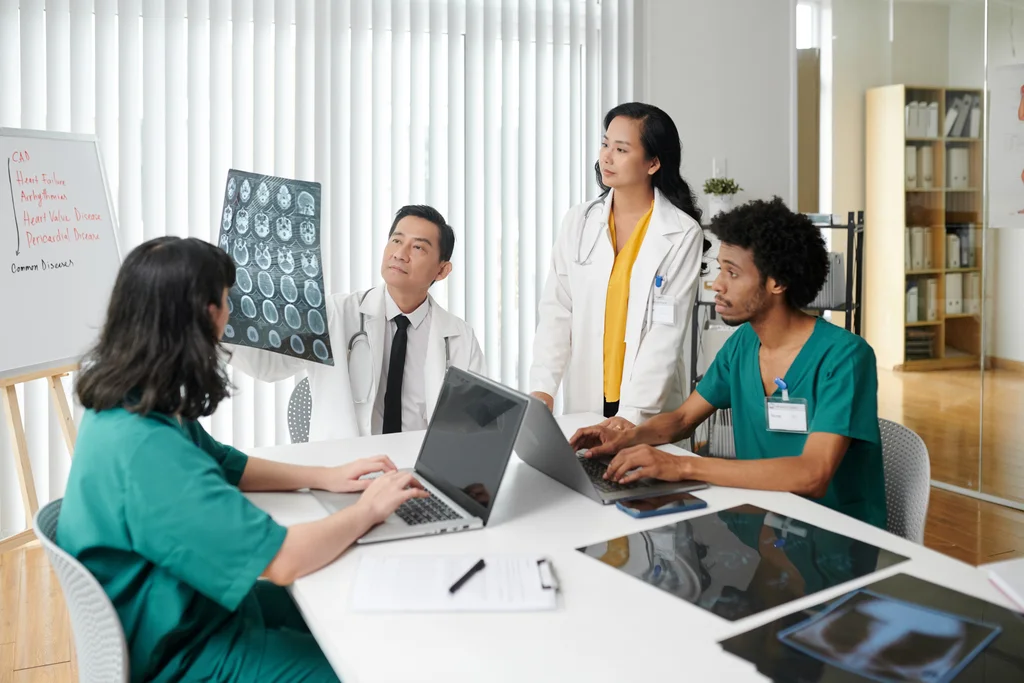
Oncologists are doctors who specialize in treating cancer. They diagnose it, create treatment plans, and support patients through one of the hardest experiences of their lives. But being an oncologist takes much more than knowing medicine. It takes a specific set of skills that work together to give patients the best possible care.
Understanding what skills oncologists need matters because cancer care is complex. A missed diagnosis, a poor treatment choice, or a communication breakdown can have serious consequences. When you know what makes a great oncologist, you can better advocate for yourself or a loved one, and appreciate the depth of work behind every cancer treatment decision.
In this article, you will learn the most important oncologist skills, from clinical knowledge to the human skills that help patients feel supported during cancer treatment.
What Clinical Skills Do Oncologists Need?
Clinical oncology skills are the foundation of cancer care. These are the medical abilities an oncologist builds through years of training and practice.
- Diagnosis and Staging: One of the first things an oncologist must do is correctly identify the type and stage of cancer. This involves reading pathology reports, interpreting imaging like CT scans and MRIs, and understanding lab results. A mistake here can lead to an entirely wrong treatment plan.
- Treatment Planning: Once cancer is diagnosed, the oncologist must decide on the right course of action. This could mean chemotherapy, radiation, surgery, immunotherapy, or a combination of these. Each decision is based on the type of cancer, its stage, the patient’s overall health, and current medical evidence.
- Procedure Proficiency: Depending on their specialty, oncologists may need to perform or coordinate procedures like biopsies, bone marrow tests, or chemotherapy administration. Knowing how to do these safely and accurately is a core part of the job.
- Staying Current with Research: Cancer treatment changes fast. New drugs get approved, new therapies show promise, and guidelines get updated. Oncologists need to keep learning, read journals, attend medical conferences, and review clinical trial results.
According to the American Society of Clinical Oncology (ASCO), ongoing education is one of the key expectations for oncologists practicing in the United States.
How Do Oncologists Communicate with Patients?
Oncologist patient care skills go far beyond clinical knowledge. How a doctor talks to a patient matters as much as what they know.
- Explaining Complex Information Simply: Cancer diagnoses often involve a lot of medical terminology. A skilled oncologist can explain what is happening in a way that patients and families actually understand. This is not about dumbing things down. It is about clarity and respect.
- Delivering Difficult News: No one wants to tell someone he or she has cancer, or that their cancer has spread. But oncologists do this regularly. Doing it with compassion, honesty, and sensitivity is a real skill. It shapes how patients process the news and make decisions.
- Listening Actively: Patients often have fears they struggle to put into words. A good oncologist creates space for those conversations. They ask open questions, give patients time to respond, and pay attention to what is not being said.
A 2021 study published in the Journal of Clinical Oncology found that patients who felt their oncologist listened to them were more likely to follow through with treatment plans and report higher satisfaction with care.
What Personal Qualities Help Oncologists Succeed?
When people talk about skills needed to become an oncologist, they often focus on the medical side. But personal qualities play a huge role, too. In fact, these same qualities are what healthcare employers actively look for when reviewing applications. Whether in practice or on paper, the top medical skills recruiters want to see always combine clinical ability with strong interpersonal strengths.
- Attention to Detail: A cancer diagnosis involves examining subtle differences in test results, imaging, and symptoms. Missing a detail can change an outcome. Oncologists need to be precise and careful in everything they review.
- Critical Thinking: Not every cancer case follows the textbook. Oncologists often face unusual presentations, overlapping conditions, or patients who respond unexpectedly to treatment. Strong critical thinking allows them to analyze the situation and adapt.
- Emotional Strength: Oncologists work with patients who are suffering, and sometimes they lose patients. That emotional weight is real. The best oncologists find healthy ways to process it so they can keep showing up with full attention and care.
- Teamwork: One person rarely handles cancer care. Oncologists work with surgeons, radiologists, nurses, social workers, and pharmacists. Working well within a team, communicating clearly, and respecting each person’s role improve the overall care process for the patient.
Why Empathy Is a Core Oncology Skill
Empathy might not show up on a medical school exam, but it is one of the most important skills in oncologist-patient care. Cancer is not just a physical illness. It affects a person’s identity, relationships, family, and sense of the future.
An empathetic oncologist understands this. They see the whole person, not just the tumor. They think about how treatment will affect daily life. They check in on how a patient is coping emotionally, not just physically.
The National Cancer Institute in the United States recognizes that psychosocial support is a critical part of cancer care. Oncologists who practice empathy help patients feel less alone during a very isolating experience.
How Do Oncologists Manage Ethical Decisions?
Cancer treatment often brings up hard ethical questions. Should a patient pursue aggressive treatment when the odds are low? What happens when a family disagrees with a patient’s wishes? How do you respect someone’s choice to stop treatment?
Oncologists need a solid foundation in medical ethics. They must navigate these conversations honestly, without imposing their own values. This includes respecting patient autonomy, being transparent about risks, and, when appropriate, involving ethics consultants or palliative care teams.
What Does It Take to Become an Oncologist?
Understanding the skills needed to become an oncologist also means understanding the path to get there.
In the U.S., becoming an oncologist typically takes around 14 years after high school. This includes a 4-year undergraduate degree, 4 years of medical school, a 3-year internal medicine residency, and a 3-year oncology fellowship. During that fellowship, doctors develop both their clinical skills and patient care skills through direct experience. For medical students starting this path, building a strong medical school resume early on can make a real difference when applying for competitive residency and fellowship programs.
The American Board of Internal Medicine (ABIM) oversees certification for oncologists in the United States. Board certification requires passing rigorous exams and demonstrating clinical competency.
Once certified and practicing, oncologists who want to grow in their field or transition to new roles benefit from having a well-structured CV that clearly reflects their expertise. Understanding what skills belong on a doctor’s resume and how to frame clinical experience for hiring managers is a step many physicians overlook. Beyond the resume, setting clear goals for professional growth in healthcare helps oncologists stay intentional about where they want their careers to go as the field keeps evolving.
Take the Next Step in Your Oncology Career
The best oncologists combine deep medical knowledge with strong human skills. Clinical skills in oncology help them make accurate diagnoses and smart treatment decisions. Patient care skills help them support people through fear, uncertainty, and life-changing choices.
These skills do not develop overnight. They grow through years of training, practice, and a genuine commitment to caring for people at their most vulnerable. Whether you are a patient, a caregiver, or someone considering a career in oncology, understanding these skills gives you a clearer picture of what truly effective cancer care looks like.
If you are a physician or oncologist looking to take the next step in your career, presenting these skills clearly and professionally matters just as much as having them. The team at ResuMeds helps medical professionals craft resumes and CVs that reflect their full expertise and get noticed by top healthcare employers.