

Burn unit nurses play a vital role in healthcare, managing everything from complex wound care to providing emotional support for trauma patients. Their work demands not only technical precision but also immense resilience and empathy. Yet, many aspiring nurses struggle to effectively communicate their diverse experiences on resumes and during job interviews. It’s crucial for them to learn how to articulate and showcase their unique value in the high-stakes environment of critical care.
This guide offers comprehensive insights for US-based healthcare professionals who are considering or advancing in this specialized field. It delves into the responsibilities, education, licensure, skill development, job outlook, and effective resume strategies essential for success as a burn unit nurse in 2026 and beyond.
Understanding the Role of a Burn Unit Nurse
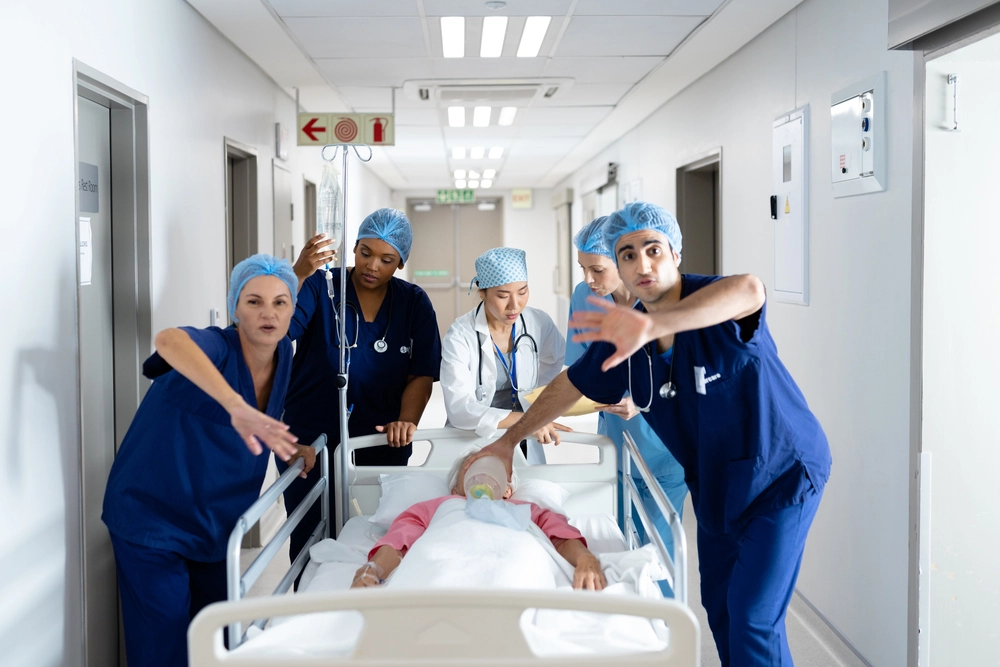
Burn unit nurses, also known as burn care or burn ICU nurses, specialize in treating patients with moderate to severe burn injuries. They operate in specialized hospital departments staffed with multidisciplinary teams of surgeons, anesthesiologists, physical therapists, and psychologists. Their primary responsibilities revolve around wound assessment, debridement, infection control, patient monitoring, and emotional rehabilitation. Beyond clinical expertise, they play a critical liaison role between patients, families, and healthcare teams to ensure integrated and compassionate care.
Unlike general medical-surgical nurses, these professionals must combine trauma care with reconstructive, rehabilitative, and psychosocial nursing principles. Burn unit nurses are trained to respond rapidly to fluid imbalances, airway complications, and infection risks—conditions that may evolve hour by hour. Their vigilance directly affects survival and recovery outcomes, making them essential figures in critical care networks.
The American Burn Association estimates that nearly half a million burn injuries require medical treatment annually, underscoring the need for qualified professionals in burn centers nationwide. These nurses often work in both acute and rehabilitative phases, helping patients transition from life-saving interventions to long-term recovery and scar management plans.
Core Responsibilities of Burn Unit Nurses
The responsibilities of burn unit nurses extend beyond basic wound care. Each duty requires precision, critical thinking, problem solving, and emotional intelligence to support patients on complex paths to healing. Typical responsibilities include:
- Comprehensive Wound Management: Burn unit nurses perform careful wound cleaning, dressing changes, debridement, and monitoring of skin grafts or donor sites to prevent infection and facilitate tissue regeneration.
- Pain and Sedation Management: Managing pain effectively is crucial, as burn patients frequently experience severe acute and chronic discomfort. Nurses monitor analgesic and anesthetic responses meticulously to ensure proper relief.
- Fluid and Electrolyte Monitoring: Severe burns disrupt the body’s ability to maintain fluid balance. Nurses closely track IV therapy, urine output, and electrolyte levels to prevent life-threatening dehydration and shock.
- Patient Education and Emotional Support: Education on wound care, mobility exercises, infection prevention, and nutrition helps patients regain independence. Nurses also provide psychosocial support for trauma coping and body image recovery.
- Interdisciplinary Collaboration: Burn care involves coordination among surgeons, physical and occupational therapists, and mental health specialists. Nurses communicate care updates, treatment progress, and discharge planning effectively.
Ultimately, burn unit nurses serve as both clinicians and advocates, ensuring patient dignity while navigating the demanding recovery process. This combination of skill and empathy defines the standard of care within specialized burn centers.
Education, Licensure, and Certification Requirements

To qualify for a career in burn nursing, candidates must first complete fundamental educational and licensing requirements typical of registered nursing practice in the United States. The path generally includes earning an Associate Degree in Nursing (ADN) or a Bachelor of Science in Nursing (BSN), followed by RN licensure through the NCLEX-RN examination. However, given the specialized nature of burn care, most employers prefer BSN-prepared nurses with prior critical care or emergency department experience.
Specialized certifications further enhance a candidate’s credibility and employment prospects. The Certified Burn Registered Nurse (CBRN) credential, administered by the American Burn Association, validates advanced proficiency in burn injury management. Additionally, Basic Life Support (BLS), Advanced Cardiovascular Life Support (ACLS), and Trauma Nursing Core Course (TNCC) certifications are often mandatory or highly valued by burn centers and critical care hospitals.
Some nurses pursue further educational advancements such as Critical Care Registered Nurse (CCRN) certification or postgraduate coursework in wound care and trauma medicine. These distinctions highlight dedication to continuous learning—an essential component of modern EEAT-aligned healthcare professionalism.
| Educational Pathway | Details |
|---|---|
| Associate Degree in Nursing (ADN) | 2-year foundation program for RN eligibility |
| Bachelor of Science in Nursing (BSN) | 4-year program emphasizing clinical, leadership, and research skills |
| Registered Nurse (RN) Licensure | Required nationwide via the NCLEX-RN exam |
| Certified Burn Registered Nurse (CBRN) | Optional specialized credential from the American Burn Association |
| Advanced Certifications | Includes BLS, ACLS, TNCC, and CCRN for critical care readiness |
Employers also assess practical experience gained through clinical rotations in emergency departments, trauma ICUs, or rehabilitative facilities. Burn unit nurses often transition into leadership or educator roles after several years, demonstrating the profession’s structured opportunities for advancement.
Essential Skills for Burn Unit Nurses
Success in burn nursing demands mastery of diverse competencies that combine clinical rigor with human empathy. Burn nurses operate in high-stakes environments where emotional energy, cultural sensitivity, and critical analysis shape every decision. Key skills include:
- Critical Thinking: The ability to interpret fluid levels, wound stages, and systemic responses accurately determines early recognition of sepsis or organ dysfunction.
- Detail Orientation: From sterile dressing changes to drug titration, precision prevents infection and optimizes healing outcomes.
- Empathy and Resilience: Burn recovery is physically and emotionally grueling. Compassionate engagement helps reduce patient anxiety and foster trust.
- Communication: Nurses relay critical updates to physicians and guide families through complex recovery expectations, requiring both clarity and sensitivity.
- Technical Proficiency: Familiarity with wound vacuum-assisted closure systems, fluid infusion pumps, and advanced monitoring equipment is essential.
- Infection Control Knowledge: Burn units demand aseptic precision. Understanding isolation protocols and environmental cleaning is critical for patient safety.
Combining these abilities ensures holistic patient care—from emergency stabilization to rehabilitation. Employers increasingly value adaptable nurses who elevate both team collaboration and patient satisfaction metrics.
Work Environment and Career Settings
Burn unit nurses practice in fast-paced, emotionally intense healthcare areas where collaboration and composure are paramount. Most work within specialized hospitals or academic medical centers featuring accredited burn units. Others find opportunities in trauma centers, military facilities, and children’s hospitals with pediatric burn programs.
The work environment often includes 12-hour shifts, rotating schedules, and close engagement with interdisciplinary teams. Staffing ratios are typically lower than on general floors, allowing nurses to devote deep clinical attention to each patient’s evolving needs. Advanced technology and infection prevention systems dominate the physical landscape of burn ICUs.
Burn unit nurses may also collaborate with rehabilitation specialists on mobility therapies, scar management techniques, and support groups. Career variety extends into educator or case manager roles, allowing nurses to influence policy, mentoring, or public health initiatives regarding burn injury prevention.
Salary Outlook for Burn Unit Nurses in 2026

As of 2026, burn unit nurses in the United States command salaries slightly above the national average for registered nurses due to their specialization and high-acuity expertise. According to data aggregated by the U.S. Bureau of Labor Statistics and multiple healthcare salary platforms, average annual earnings for critical care nurses—including burn specialists—range from $84,000 to $115,000, depending on experience and geographic region.
| Experience Level | Average Annual Salary |
|---|---|
| Entry-Level (0–2 years) | $72,000 – $85,000 |
| Mid-Career (3–7 years) | $88,000 – $100,000 |
| Senior-Level (8+ years) | $105,000 – $120,000+ |
Pay differentials also depend on hospital size, shift schedules, and certification attainment. Burn unit nurses in metropolitan teaching hospitals often receive higher compensation, while rural facilities may supplement pay through relocation incentives and sign-on bonuses. In addition, overtime opportunities are frequent due to staffing shortages within specialized ICU departments.
Career Advancement Opportunities
Burn unit nurses have extensive growth potential within the critical care hierarchy. Many advance into clinical leadership, education, or research positions focusing on burn recovery innovation. Common progression routes include becoming nurse educators, wound care specialists, burn program coordinators, or nurse practitioners specializing in acute care or trauma.
Some pursue graduate degrees in nursing administration or advanced clinical practice to become Clinical Nurse Specialists (CNS) or Nurse Practitioners (NPs). Others move into teaching or policy advocacy roles, contributing to improvements in burn safety standards and treatment accessibility. With ongoing professional development and advanced certifications, these clinicians continue to influence both bedside and systemic outcomes.
Burn unit nursing also offers research participation opportunities in reconstructive surgery outcomes, skin graft bioengineering, and post-traumatic care studies. Nurses with strong data analysis and clinical observation skills can collaborate with medical teams to publish evidence-based findings guiding national burn care protocols.
Resume and Job Application Strategies for Burn Unit Nurses
Crafting an effective resume for burn nursing roles requires a clear articulation of technical expertise and emotional resilience. Applicants must demonstrate both hands-on critical care capability and patient-centered empathy. Effective resumes showcase quantifiable outcomes—such as infection reduction rates, patient satisfaction metrics, or wound healing efficiency—to reflect tangible success.
1. Highlight Specialized Skills
Emphasize advanced wound care, graft monitoring, fluid management, and trauma response certifications.
2. Use Action-Oriented Achievements
Phrases like “implemented new infection control protocol, reducing postoperative complications by 15%” demonstrate measurable impact.
3. Include Interdisciplinary Collaboration
Burn unit nurses work closely with surgeons and rehabilitation experts, so resumes should reference cross-functional teamwork and communication.
4. Incorporate Continuing Education
Ongoing professional development in areas like pain management or psychological care signals adaptability and long-term value.
5. Ensure ATS Compliance
Proper use of keywords—such as “burn care,” “critical care,” “trauma recovery,” and “wound assessment”—helps ensure resumes pass automated tracking system (ATS) screening.
Formatting simplicity and clear section hierarchies improve readability. Many nurses also strengthen their candidacies with tailored cover letters emphasizing empathy, crisis management, and collaborative achievements within critical care contexts.
Professional Development and Continuing Education
Healthcare innovation evolves rapidly, making ongoing learning indispensable for burn unit nurses. Many states require continuing education units (CEUs) for license renewal, and employers expect continuous professional development. Enrolling in courses focused on wound care science, infection prevention, or trauma-informed care strengthens both competence and confidence.
The American Burn Association and the Wound, Ostomy and Continence Nurses Society offer continuing education and advanced training programs. Participation in professional conferences enables exposure to emerging technologies such as biosynthetic dressings and regenerative medicine breakthroughs. Networking across interdisciplinary forums broadens career visibility and opens pathways for specialized consulting or teaching opportunities.
In addition, digital learning and simulation-based training allow nurses to refine crisis response and aseptic skills without patient risk. These resources align with the profession’s evidence-based nature while supporting lifelong learning commitments that align with EEAT principles of expertise and trustworthiness.
A Profession Where Compassion Meets Clinical Mastery
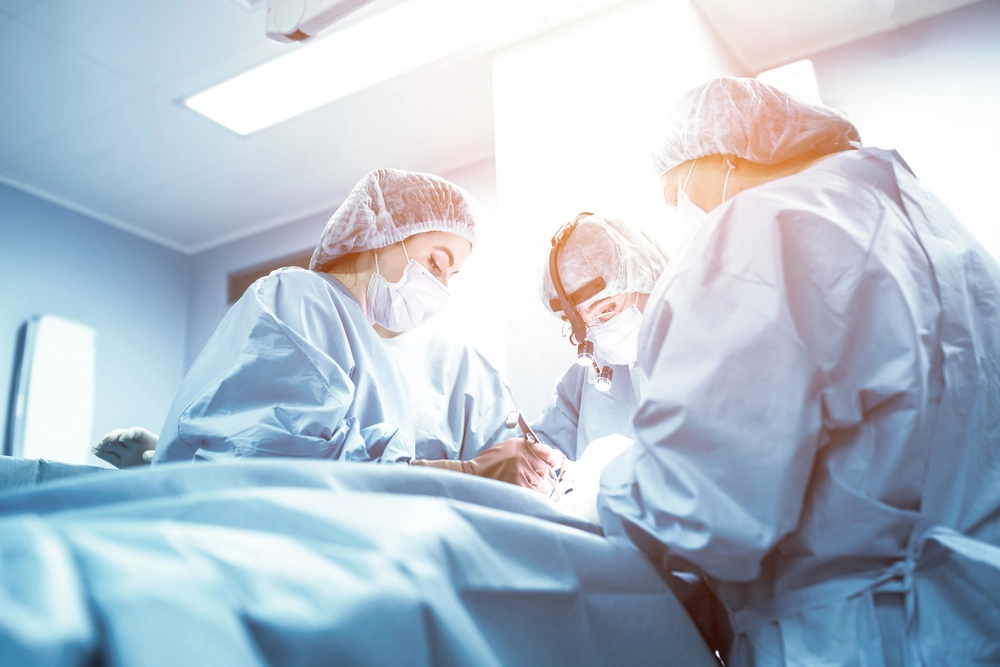
Burn unit nursing stands as one of healthcare’s most technically demanding yet emotionally rewarding specialties. Within this field, careers are often defined by a unwavering compassion, sharp clinical insight, and steady teamwork under extreme conditions. When nurses seek to advance their professional journeys, showcase their full potential, and secure meaningful roles in this field, partnering with dedicated career specialists can amplify visibility. Through expertly crafted, ATS-optimized resumes, these nurse resume writing services can effectively emphasize measurable outcomes and authentic compassion—reinforcing that each clinician’s dedication is recognized and their expertise positioned for the opportunities where it matters most.
Frequently Asked Questions
What does a burn unit nurse do daily?
Burn unit nurses manage wound care, monitor vital signs, oversee pain control, and educate patients through recovery. Their tasks include debridement, dressing changes, and ensuring infection prevention while providing psychological support for trauma and body image challenges.
What qualifications are required to become a burn unit nurse in the U.S.?
Candidates must hold an RN license after completing an accredited ADN or BSN program and passing the NCLEX-RN. Most employers prefer candidates with critical care or trauma experience and certifications such as CBRN, BLS, and ACLS.
Where do burn unit nurses typically work?
They primarily work in hospital burn centers, trauma units, or specialized rehabilitation facilities. Some also serve in pediatric hospitals, military medical centers, or outpatient wound care clinics focusing on reconstructive recovery.
How much does a burn unit nurse earn in 2026?
According to the U.S. Bureau of Labor Statistics, critical care RNs—which include burn nurses—earn between $84,000 and $115,000 annually on average, with compensation varying by location, certifications, and tenure.
What is the job outlook for burn unit nurses?
Demand for burn unit nurses continues to rise due to sustained needs for specialized trauma care and advancements in critical care medicine. Employment growth for RNs overall remains above average, ensuring long-term professional stability.