

Coronary care unit (CCU) nurses serve as essential frontline healthcare providers, specializing in the critical care of patients facing life-threatening cardiac conditions. As they approach the job market in 2026, it is imperative for them to adeptly translate their coronary care unit nurse job description, expertise, quick decision-making abilities, and technical nursing competencies into compelling application materials that meet strict hiring benchmarks. To distinguish themselves from other skilled cardiac nurses, they must not only demonstrate clinical excellence but also provide clear evidence of measurable outcomes and specialized credentials.
This resource is tailored for nurses at all levels—whether entry-level or advanced practice—who are seeking coronary care roles in the United States. The following sections will provide a comprehensive and up-to-date overview of the coronary care unit nurse job description, responsibilities, essential skills, education requirements, and career outlook. It also provides strategies and targeted industry insights that will strengthen job applications, resume content, and interview preparedness.
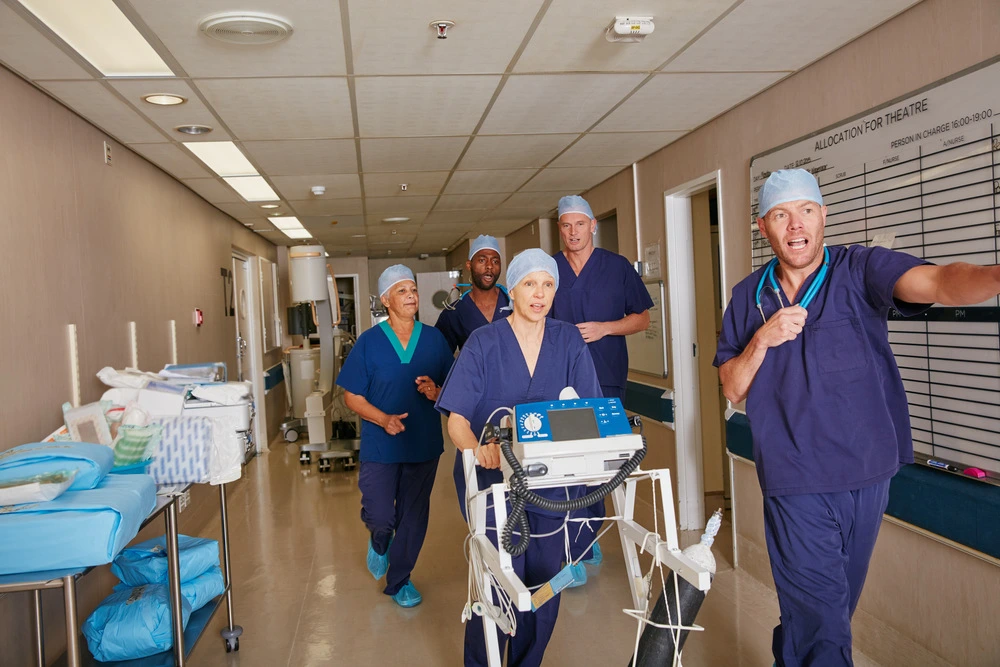
Understanding the Role of a Coronary Care Unit Nurse
A coronary care unit (CCU) nurse, also known as a cardiac intensive care nurse, specializes in caring for patients with acute and chronic cardiac conditions. These include myocardial infarctions, arrhythmias, congestive heart failure, and post-operative cardiac surgeries.
Scope of Duties and Work Environment: CCU nurses operate in high-acuity environments, typically within hospital cardiac intensive care units, where patient outcomes depend on precise and timely interventions.
The role demands a blend of technical precision and emotional resilience. CCU nurses frequently collaborate with cardiologists, intensivists, and other specialists to establish individualized treatment protocols. Their responsibilities go beyond routine observation; they interpret electrocardiograms, adjust cardiac medications, and respond rapidly to code blue events. They also serve as patient advocates, ensuring adherence to safety protocols and medication accuracy within environments where seconds can mean the difference between stability and decline.
Key Expectations: The U.S. Bureau of Labor Statistics reports that registered nursing employment, including specialized areas like coronary care, continues to grow due to rising cardiovascular disease prevalence and aging demographics across the nation. Given their critical responsibilities, CCU nurses must maintain a high level of clinical judgment and adhere to evidence-based practice standards.
Skills Development: Unlike nurses in general medical wards, coronary care unit nurses are trained extensively in advanced cardiac life support, continuous hemodynamic monitoring, and the management of complex cardiovascular technologies such as intra-aortic balloon pumps, ventricular assist devices, and telemetry systems. They provide comprehensive care that integrates physical, psychological, and emotional support for patients and their families during critical times.
Core Responsibilities in the Coronary Care Unit
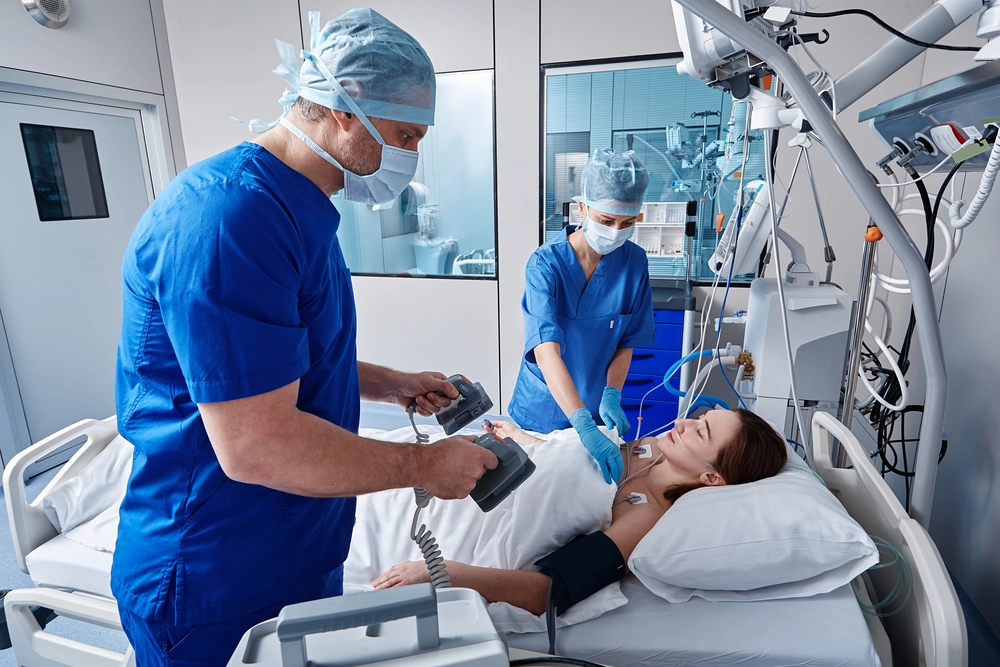
The coronary care unit nurse job description centers on delivering continuous, compassionate, and technically advanced care to patients with critical cardiac needs. These duties require constant attention, specialized communication, and seamless integration with multidisciplinary teams. Below are key areas where CCU nurses consistently demonstrate professional excellence.
- Patient Assessment and Monitoring: CCU nurses conduct frequent and systematic assessments of patients’ cardiovascular, respiratory, and neurological statuses. They monitor electrocardiogram readings, blood pressure fluctuations, invasive pressures, oxygen levels, and cardiac enzyme trends to identify subtle changes indicating deterioration or recovery.
- Administration of Cardiac Medications: These professionals are responsible for calculating, administering, and titrating medications such as vasopressors, antiarrhythmics, anticoagulants, and diuretics. Every dosage adjustment must align with physician orders, clinical guidelines, and hospital safety policies.
- Advanced Cardiac Life Support (ACLS) Response: CCU nurses are ALS-certified and often lead resuscitation efforts during cardiac or respiratory arrest. They initiate CPR, defibrillation, and pharmacologic interventions with precision while coordinating with emergency response teams.
- Care Planning and Collaboration: Daily tasks include developing individualized care plans with cardiologists, respiratory therapists, and nutritionists. Nurses communicate findings through structured medical documentation to ensure coordination and compliance across departments.
- Patient and Family Education: Beyond direct care, CCU nurses prepare patients and families for discharge by teaching lifestyle adjustments, medication adherence, and recognition of early cardiac distress symptoms.
- Maintenance of Specialized Equipment: They ensure functionality and accuracy of life-support systems, cardiac monitors, and infusion pumps. Any malfunction is reported immediately to biomedical engineers to prevent potential harm.
Coronary care unit nurses are also instrumental in research and quality improvement initiatives that enhance safety, reduce readmission rates, and support institution-wide accreditation efforts. Their documentation accuracy underpins compliance with healthcare regulations, making their role indispensable in heart hospitals and tertiary facilities nationwide.
Essential Qualifications and Certifications
Employers across the United States prioritize both academic and professional certifications when recruiting coronary care unit nurses. A minimum qualification typically includes an accredited associate or bachelor’s degree in nursing (ADN or BSN). Registered Nurse (RN) licensure is mandatory in every state and must be current and free of restrictions. Many hospitals now prefer or require nurses with a BSN, reflecting the push for elevated educational standards in advanced cardiac care.
Graduate-level education such as a Master of Science in Nursing (MSN) can open advanced roles in education, cardiac research, or administration. For clinical practice, however, specialized certifications drastically improve employability and salary outlook. Among the most valued credentials include:
| Certification | Issuing Organization | Purpose |
|---|---|---|
| ACLS (Advanced Cardiac Life Support) | American Heart Association | Credential demonstrating mastery of emergency cardiac care techniques. |
| CCRN (Critical Care Registered Nurse) | American Association of Critical-Care Nurses | Validates advanced expertise in adult critical care nursing. |
| BLS (Basic Life Support) | American Heart Association | Required foundation for performing safe cardiopulmonary interventions. |
| PCCN (Progressive Care Certified Nurse) | American Association of Critical-Care Nurses | Ideal for nurses working with patients between step-down and intensive units. |
Continuing education is vital to maintain these certifications. Many employers provide tuition reimbursement to encourage professional development, demonstrating how commitment to ongoing learning remains central to cardiac nursing excellence. Furthermore, CCU nurses must remain compliant with HIPAA regulations, infection control standards, and institutional safety initiatives.
Skills Required for Success in Coronary Care Nursing
Excelling in a coronary care unit demands both clinical mastery and exceptional soft skills. Success relies on rapid critical thinking, precise coordination, and emotional intelligence. The following competencies are universally recognized across American hospitals and healthcare systems as indicators of outstanding CCU nursing performance.
- Cardiac Monitoring Expertise: Nurses must accurately interpret EKG waveforms, detect arrhythmias, and understand hemodynamic data to guide timely interventions.
- Pharmacologic Knowledge: Strong command of cardiovascular medications, including dosing limits, side effects, and contraindications, ensures safe patient care under dynamic conditions.
- Communication and Collaboration: Coordinating effectively with multidisciplinary teams helps streamline care transitions and improve survival outcomes.
- Leadership Under Pressure: The ability to take calm, decisive action during codes demonstrates vital leadership and builds team trust.
- Patient Advocacy and Empathy: Balancing technical efficiency with compassion preserves dignity and psychological stability for critically ill individuals and their loved ones.
- Documentation Accuracy: Regulatory compliance depends on precise recording of vitals, progress notes, and medication details in electronic health record systems.
These core competencies reflect broader attributes valued across all critical care sectors—adaptability, professionalism, and integrity. Nurses who consistently display these traits are frequently considered for leadership tracks, preceptor programs, or cardiac educator positions.
Work Environment and Team Dynamics
Coronary care nurses typically operate within hospital intensive or step-down units, featuring round-the-clock monitoring systems and strict patient-to-nurse ratios. The environment is high-stakes and time-sensitive, requiring seamless teamwork and adherence to clear communication protocols. Shifts often span 12 hours or more, encompassing night, weekend, and holiday rotations to ensure continuous cardiac surveillance.
Team coordination within coronary care settings begins during multidisciplinary rounds, where physicians, pharmacists, dietitians, and nurses review ongoing treatment plans. Each nurse contributes detailed observations that shape real-time decisions on medication titration or ventilation adjustments. These collaborative practices uphold patient safety benchmarks and align with The Joint Commission’s patient-centered care standards.
Given constant exposure to emergencies, fatigue mitigation and psychological resilience form essential components of professional longevity. Many hospitals offer wellness resources—including mindfulness training, peer debriefing, and access to EAP counseling—to reduce burnout rates. CCU nurses often mentor new graduates and bridge communication between families and clinicians, emphasizing their integral position in the healthcare continuum.
Career Outlook and Earning Potential
The demand for coronary care unit nurses continues to expand in response to the nation’s cardiovascular disease burden. According to projections from the U.S. Bureau of Labor Statistics, employment for registered nurses is expected to grow faster than average through the next decade, fueled by hospital expansions and rising incidences of cardiac-related conditions. Healthcare institutions increasingly seek nurses with critical care competencies to manage complex patient populations effectively.
Salary expectations vary according to certification status, clinical experience, and geographic region. On average, coronary care nurses in major metropolitan hospitals earn higher wages than those in rural settings due to complexity of care. According to current compensation data from Payscale and the Bureau of Labor Statistics, CCU nurses in the United States can expect median annual salaries between $87,000 and $110,000, with premium pay opportunities for night shifts, overtime, or charge nurse responsibilities. Specialty certifications like the CCRN often correlate with a 10–15% salary increase.
Beyond financial rewards, coronary care nursing offers extensive career development pathways. Professionals can pursue advanced practice credentials, such as nurse practitioner or clinical nurse specialist roles focusing on cardiology, or transition to leadership positions within quality improvement divisions, education departments, or cardiac rehabilitation units. The profession combines intellectual challenge with meaningful patient impact, making it one of the most respected specialties in critical care nursing.

Advance Your Career Potential with Strategic Resume Development
To secure a coronary care position, nurses must showcase proficiency in clinical expertise and technological precision while aligning with employer standards for accountability and safety. The most successful resumes emphasize quantifiable achievements—such as reduced code response times or improved recovery rates—alongside certification credentials and electronic health record competencies. Strategic keyword optimization ensures visibility in Applicant Tracking Systems (ATS) used by hospital HR departments nationwide.
Each application should provide evidence of observable impact and leadership. Metrics-based bullet points, professional affiliations such as the American Association of Critical-Care Nurses, and involvement in hospital committees signal career dedication. Including continuing education and compliance training within the resume further enhances credibility, especially in an environment emphasizing evidence-based practice and quality assurance.
Coronary care nurses aiming to refine their branding and storytelling often benefit from expert input that integrates tone, clinical detail, and patient outcomes into one cohesive narrative. Many healthcare professionals elevate their credentials through nurse resume writing services that ensure keyword balance, certification emphasis, and content tailored for competitive cardiac care positions.
Frequently Asked Questions
What is the main responsibility of a coronary care unit nurse?
Coronary care unit nurses are responsible for monitoring, managing, and stabilizing patients with serious heart conditions such as myocardial infarctions or arrhythmias. They are trained to deliver emergency interventions, coordinate care with cardiologists, and administer critical medications to maintain cardiac stability.
What certifications help coronary care nurses stand out to employers?
Top certifications include ACLS, BLS, CCRN, and PCCN. These credentials demonstrate advanced cardiac knowledge and readiness to manage emergencies, often contributing to higher salary potential and greater professional credibility.
Where do coronary care nurses typically work?
CCU nurses work mainly in hospital coronary care or cardiac intensive care units, though some serve in progressive step-down areas or outpatient cardiac rehabilitation centers. Their expertise is essential in large acute-care hospitals across the United States.
How much do coronary care nurses earn annually in the U.S.?
Recent data from the Bureau of Labor Statistics estimates median annual earnings between $87,000 and $110,000 for CCU nurses, depending on experience, certifications, and geographic location. Premium pay rates apply for night shifts and high-acuity assignments.
What soft skills are most valuable in coronary care nursing?
Empathy, communication, critical decision-making, and teamwork stand among the most crucial soft skills. These traits enable CCU nurses to deliver holistic care and maintain composure under extreme pressure.