


Neurology is the field of medicine that studies the brain, spinal cord, and nerves. A neurologist treats conditions like stroke, epilepsy, Parkinson’s disease, and migraines. It is a complex field that needs strong knowledge and hands-on skills.
In the United States, neurological disorders affect millions of people each year. According to the Centers for Disease Control and Prevention, stroke remains a leading cause of disability. This makes neurologists a key part of the healthcare system. Their work helps patients manage serious and often long-term conditions.
In this guide, you will learn the core neurologist skills, clinical competencies, and personal traits needed to succeed. Whether you are a medical student or a healthcare professional, this article will help you understand what it takes to become a skilled neurologist.
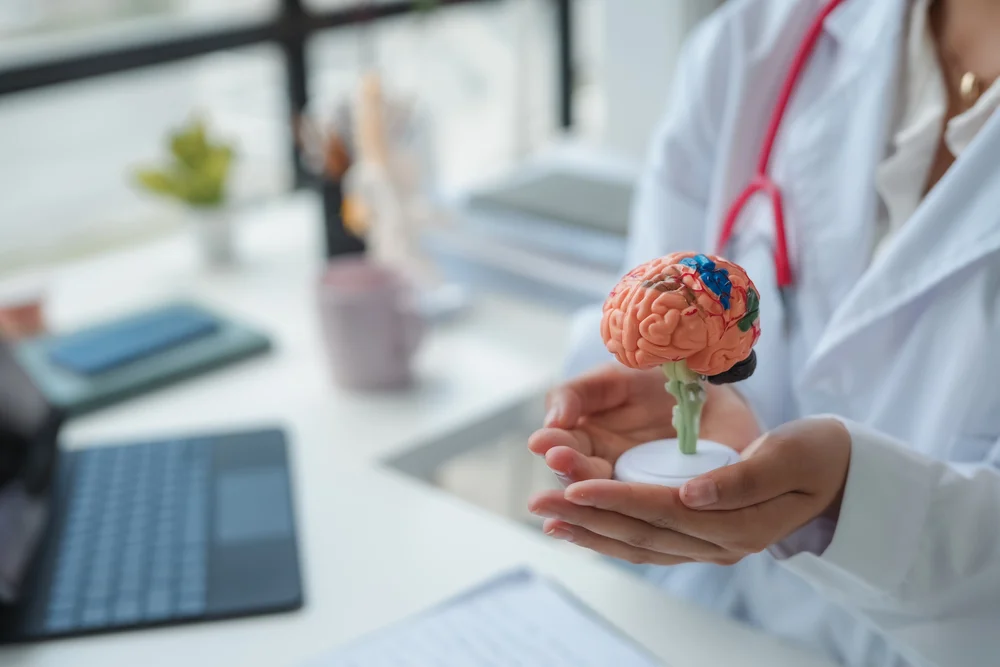
What Are Neurologist Skills?
Neurologist skills refer to the specialized competencies a physician must develop to effectively diagnose, manage, and treat disorders of the nervous system, including conditions affecting the brain, spinal cord, and peripheral nerves. These skills combine advanced medical knowledge with essential interpersonal abilities to ensure accurate diagnosis, compassionate care, and positive patient outcomes.
A well-rounded neurologist skill set includes:
- Clinical Reasoning: The ability to analyze complex symptoms, interpret diagnostic tests, and arrive at accurate diagnoses—often in cases where conditions present subtly or overlap with other disorders.
- Patient Communication: Clear and empathetic communication is crucial for explaining diagnoses, discussing treatment plans, and guiding patients and their families through often life-altering conditions.
- Technical Examination Skills: Proficiency in performing detailed neurological exams, such as assessing reflexes, motor function, sensory responses, and cognitive abilities.
- Emotional Intelligence: Sensitivity to patients’ emotional and psychological needs, especially when managing chronic or degenerative neurological conditions.
- Attention to Detail: Small clinical signs can be critical in neurology, making precision and careful observation essential.
In the United States, neurologists typically work within multidisciplinary teams. They regularly collaborate with nurses, physical therapists, occupational therapists, and other specialists to provide comprehensive, patient-centered care. As such, teamwork and collaboration are also key components of a successful neurologist’s skill set.
Ultimately, neurologist skills go beyond clinical expertise—they require a balance of analytical thinking, technical precision, and compassionate care to effectively support patients with complex neurological conditions.
What Skills Are Needed to Be a Neurologist?
1. Strong Clinical Knowledge
A neurologist must have a deep and comprehensive understanding of how the nervous system functions, including the brain, spinal cord, and peripheral nerves. This foundation is essential for accurate assessment of complex neurological conditions. In addition to core anatomy and physiology, neurologists must stay well-informed about a wide range of diseases, evolving treatment options, and the latest medical research.
Professional organizations such as the American Academy of Neurology play a crucial role by providing evidence-based guidelines, continuing education, and access to current research. Without this strong and continually updated knowledge base, making accurate diagnoses and delivering effective patient care becomes significantly more challenging.
2. Clinical Skills for Neurologists
Clinical skills are at the core of effective neurological practice. These skills enable neurologists to translate complex symptoms into meaningful clinical insights. Key components include:
- Neurological examinations
- Reflex testing
- Muscle strength assessment
- Coordination and balance testing
A neurologist must approach each examination with precision, patience, and keen attention to detail. Even subtle findings can provide critical clues to an underlying condition. For example, abnormalities in eye movements may indicate issues within specific regions of the brain. This is why careful observation and thorough evaluation are essential in every patient encounter.
If you want to explore more clinical skills required across different medical fields, you can check this set of guides for different healthcare specializations.
3. Diagnostic Thinking
Neurology often resembles solving a complex puzzle, as many neurological conditions present with overlapping symptoms. To arrive at an accurate diagnosis, neurologists must use structured, analytical thinking.
While diagnostic tools such as MRI or EEG are valuable, the most important insights often come from a detailed patient history and a comprehensive physical examination. By systematically analyzing each piece of information, neurologists can form a clear and accurate clinical picture.
4. Communication Skills
Effective communication is a fundamental skill for every neurologist. Patients with neurological conditions often feel anxious, confused, or overwhelmed—especially when symptoms affect speech, memory, or behavior. A neurologist must be able to explain complex medical information in a way that is clear, compassionate, and easy to understand.
Strong communication involves:
- Listening attentively to patient concerns
- Asking simple, focused questions
- Providing clear and practical instructions
- Checking that the patient understands the plan
In the United States, patient-centered care is a top priority. Clear and empathetic communication helps build trust, improves treatment adherence, and leads to better overall outcomes.
You can also explore ways to enhance communication in healthcare, as well as develop the essential medical skills needed to build a strong and competitive healthcare resume.
5. Empathy and Emotional Awareness
Many neurological conditions are chronic and life-altering. Patients may face long-term challenges such as pain, reduced mobility, or loss of independence. Because of this, empathy is not optional—it is essential. A neurologist must understand and acknowledge the emotional impact of these conditions. For example:
- A patient with Parkinson’s disease may struggle with everyday activities
- A patient with epilepsy may live with constant fear of seizures
By showing empathy, respect, and patience, neurologists can help patients feel supported, understood, and less alone in their journey.
Core Skills of a Neurologist
Attention to Detail
Neurology relies heavily on subtle clinical signs. A slight change in reflexes, coordination, or movement can point to a specific diagnosis. Missing even a small detail may lead to misdiagnosis or delayed treatment.
Problem-Solving Ability
Neurologists must connect complex symptoms with their underlying causes. This requires critical thinking, pattern recognition, and the ability to work through uncertainty. Many neurological conditions take time and careful analysis to diagnose accurately.
Time Management
Neurologists often manage a high patient load while reviewing diagnostic tests and completing documentation. Strong time management skills help ensure that each patient receives thorough and attentive care.
Technical Skills
Modern neurology depends on advanced diagnostic tools. Neurologists must be skilled in interpreting tests such as:
- EEG (electroencephalogram)
- EMG (electromyography)
- Brain imaging (MRI and CT scans)
Understanding these results is crucial for accurate diagnosis and treatment planning.
Lifelong Learning
Neurology is a rapidly evolving field. New discoveries and therapies continue to emerge, especially in areas like neurodegenerative diseases. Organizations such as the National Institutes of Health actively support research into conditions like Alzheimer’s disease.
A good neurologist stays updated through continuous education, research, and clinical experience.
If you’re building a long-term medical career, you may also find medical career hub helpful for more expert advice, tips, and sources for the latest trends.
Neurologist Competencies in the U.S.
In the United States, neurologists are trained under a structured competency-based framework. Residency programs focus on developing well-rounded physicians with both clinical expertise and professional skills.
Key competencies include:
- Patient care
- Medical knowledge
- Professionalism
- Communication skills
- Systems-based practice
Training programs are accredited by the Accreditation Council for Graduate Medical Education, ensuring consistent and high-quality education.
After completing residency, neurologists must pass board certification exams administered by the American Board of Psychiatry and Neurology. This ensures they meet national standards for safe and effective practice.
How Neurologists Build Their Skill Set
Medical School and Residency
Becoming a neurologist in the U.S. requires extensive training:
- 4 years of medical school
- 4 years of neurology residency
- Optional fellowship training for sub-specialization
This combination of academic learning and clinical exposure builds a strong foundation.
Hands-On Experience
Clinical experience is essential. Neurologists refine their skills by working directly with patients, performing examinations, making diagnoses, and developing treatment plans. Guidance from experienced physicians plays a key role in this process.
Research and Conferences
Ongoing education is critical. Many neurologists attend conferences and seminars to stay informed about the latest advancements. Professional organizations such as the American Neurological Association regularly share new research findings and clinical updates.
Research involvement also helps neurologists deepen their understanding of neurological diseases and contribute to medical progress.
Why Neurologist Skills Matter Today
Neurological disorders are becoming more common, particularly as populations age. Conditions such as Alzheimer’s disease, stroke, and multiple sclerosis require specialized care and long-term management.
There is also growing global attention on brain health, with increased funding for research and innovation. As a result, neurologists play a more critical role than ever in healthcare.
Strong neurological skills enable physicians to:
- Detect diseases early
- Manage complex symptoms
- Improve patients’ quality of life
- Provide long-term support and care
What Makes a Great Neurologist?
A great neurologist is not defined by knowledge alone. They combine clinical expertise with human understanding and compassion.
Key qualities include:
- Patience and attention to detail
- Curiosity and commitment to learning
- Compassion and emotional intelligence
- Clear and logical thinking
Great neurologists take the time to listen, explain conditions clearly, and support patients through challenging situations. In practice, communication and empathy are just as important as technical knowledge.
Combining Science, Skill, and Compassion on Your Resume
Neurology is both a challenging and deeply rewarding field. It demands a unique balance of scientific knowledge, clinical precision, and emotional awareness.
From conducting detailed neurological examinations to solving complex diagnostic puzzles, neurologists must think critically at every step. At the same time, they must connect with patients on a human level—offering reassurance, clarity, and support through often life-changing conditions.
For those considering a career in neurology, it is essential to develop both technical expertise and strong interpersonal skills. Medicine is not only about diagnosing disease; it is also about caring for people.With the right training, dedication, and mindset, neurologists have the opportunity to make a meaningful and lasting impact on their patients’ lives. At Resumeds, you can access expertly crafted medical resumes and CV, as well as career resources designed to help you stand out. Start building your medical career today, contact us today!