

The journey to an intensive care unit (ICU) nursing career involves far more than acquiring knowledge; it requires balancing demanding coursework, meeting certification standards, and mastering high-stakes clinical experiences. As they strive to qualify for critical care roles, these nurses must also navigate the emotional weight of patient outcomes, a task that can often feel overwhelming. For many skilled nurses, the quest for the right educational path to achieve their ICU career aspirations within a competitive job market is fraught with uncertainty.
This resource provides a comprehensive overview of ICU nurse education requirements tailored for nurses at every stage—from recent graduates to experienced RNs aspiring to join intensive care environments. It outlines everything from essential degrees to advanced certifications and the intricate ICU nurse education process, helping professionals strengthen their expertise and prepare for rewarding roles in critical care.

Understanding the ICU Nurse Role and Its Educational Foundation
The role of an ICU nurse requires a precise balance between technical precision and compassionate care. These professionals monitor critically ill patients, interpret complex clinical data, and deliver lifesaving interventions. To meet these demands, an exceptionally strong educational and experiential foundation is essential. Every U.S. hospital or healthcare system expects ICU nurses to possess a blend of academic training, clinical competence, and emotional resilience.
At the core of ICU nurse education lies the Registered Nurse (RN) credential. Most nurses begin by earning either an Associate Degree in Nursing (ADN) or a Bachelor of Science in Nursing (BSN), both of which prepare students for the National Council Licensure Examination for Registered Nurses (NCLEX-RN). While an ADN provides eligibility for licensure, the American Association of Critical-Care Nurses (AACN) and most U.S. hospitals prefer BSN-prepared nurses for ICU roles because of their broader training in leadership, evidence-based practice, and community health.
Beyond initial education, ICU nurses must demonstrate expertise in patient assessment, medication administration, and the operation of advanced technology such as ventilators and hemodynamic monitoring systems. Success in this role also hinges on critical thinking, problem-solving, quick decision-making, and interprofessional collaboration. For this reason, many nurses advance their education through post-baccalaureate programs or specialized certifications aligned with critical care practice.
Educational Pathways to Becoming an ICU Nurse
Building a career in intensive care nursing requires more than ambition—it demands a structured progression of education, clinical exposure, and credentials that demonstrate mastery in acute care. The educational ladder offers several options suited to diverse entry points and career goals within the United States healthcare system.
1. Earn a Nursing Degree (ADN or BSN)
Prospective ICU nurses start by completing an accredited nursing program. An ADN typically takes two years and focuses on clinical fundamentals, while a BSN—usually four years—includes leadership, research, and public health components. According to the U.S. Bureau of Labor Statistics, BSN nurses often qualify for higher-paying critical care positions and leadership roles in 2026 and beyond.
2. Obtain RN Licensure via the NCLEX-RN
Graduates must pass the NCLEX-RN exam to become licensed. This national examination assesses readiness to provide safe, entry-level nursing care. Licensure renewal requires continuing education, ensuring nurses remain current in their clinical knowledge.
3. Gain Clinical Experience in Acute or Step-Down Units
Before moving into intensive care, new RNs typically gain experience in step-down units or medical-surgical floors where they develop clinical judgment skills. This phase builds confidence in patient care prioritization, diagnostic interpretation, and emergency response—core elements in critical care settings.
4. Pursue ICU-Specific Orientation or Residency Programs
Hospitals frequently offer ICU nurse residency programs to transition competent RNs into critical care. These programs combine classroom instruction on advanced physiology and pharmacology with supervised practice in ventilator management, code response, and invasive line monitoring.
5. Complete a Certification in Critical Care Nursing
ICU nurses often pursue national certification, such as the Critical Care Registered Nurse (CCRN) credential from the AACN. Certification validates advanced clinical expertise and professional commitment, serving as a competitive advantage in recruitment and career advancement.
The educational pathway can vary depending on the nurse’s background, geographic region, and desired specialization—whether cardiac, surgical, pediatric, or neonatal intensive care. While each ICU environment demands mastery of unique patient populations and protocols, the foundational education remains consistent across all areas of critical care.
Essential Academic and Clinical Competencies
ICU nurse education emphasizes both theoretical coursework and applied clinical training. Nursing programs integrate critical care principles into various subjects designed to prepare students for high-pressure decision-making and technical excellence. Understanding life support, hemodynamics, and pharmacology forms the academic backbone of this specialty.
| Core Course | Purpose in ICU Nurse Education |
|---|---|
| Human Anatomy & Physiology | Builds understanding of body systems crucial for patient assessment and intervention. |
| Pathophysiology | Explains the mechanisms of disease processes encountered in critical care settings. |
| Advanced Pharmacology | Develops safe medication administration skills, including titration of IV drips and use of sedatives. |
| Critical Care Concepts | Introduces nursing interventions for patients requiring complex support systems like ventilators. |
| Leadership and Ethics in Healthcare | Prepares nurses to coordinate care teams, make ethical decisions, and communicate across disciplines. |
Clinical practicums usually include simulation labs and hospital rotations where students apply theoretical knowledge to real patients. Academic programs partner with hospitals offering both ICU nurse education and experiences, allowing students to track vital signs, administer emergency medications, and collaborate with interdisciplinary teams. This clinical immersion is essential because ICU nurses must act with precision and confidence under rapidly changing conditions.
Certifications That Strengthen ICU Nurse Credentials
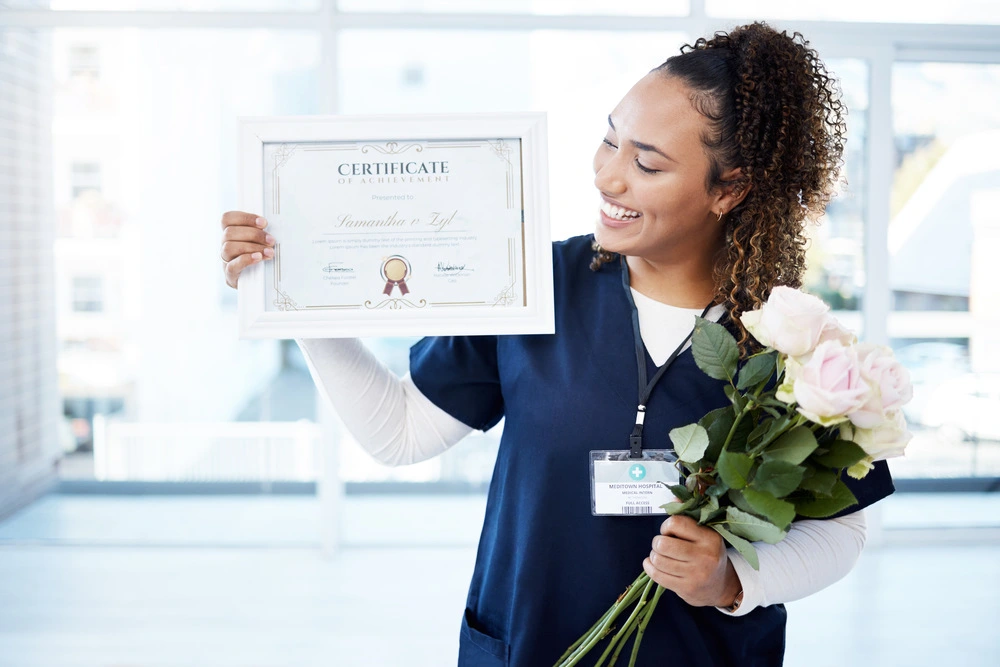
Certification represents a cornerstone of ICU nurse education beyond licensure. These credentials signal advanced proficiency and sustained commitment to patient safety and clinical excellence. Most hospitals offering Magnet designation or top-tier care require or heavily prefer certified ICU nurses. Each credential has distinct admission criteria, continuing education requirements, and specialty focus.
| Certification | Certifying Body | Focus Area |
|---|---|---|
| CCRN (Adult, Pediatric, Neonatal) | American Association of Critical-Care Nurses (AACN) | Recognizes expertise in care of acutely/critically ill patients. |
| CSC (Cardiac Surgery Certification) | AACN Certification Corporation | Specialized in care for patients recovering from cardiac surgery. |
| CNRN (Certified Neuroscience Registered Nurse) | American Board of Neuroscience Nursing | Focuses on neurological and neurosurgical patient management. |
| ACLS (Advanced Cardiac Life Support) | American Heart Association | Trains nurses to manage cardiovascular emergencies and cardiac arrest. |
| PALS (Pediatric Advanced Life Support) | American Heart Association | Applies life support protocols for pediatric patients. |
Many hospitals reimburse the cost of certification and offer salary incentives for maintaining valid credentials. Nurses seeking advancement to leadership or educator roles benefit from combining certification with advanced degrees such as a Master of Science in Nursing (MSN) focused on critical care or acute care nurse practitioner preparation.
The Importance of Continuing Education in Critical Care Nursing
Continuing education represents an essential component of ICU nurse progression. Healthcare technology, pharmacology, and treatment protocols evolve rapidly, and ongoing learning ensures professional competence and compliance with federal and institutional standards. Many states mandate continuing education credit hours as part of RN licensure renewal, emphasizing the lifelong learning aspect of nursing.
Continuing ICU nurse education may involve attending conferences such as the annual AACN National Teaching Institute or enrolling in online modules focused on subjects like mechanical ventilation or sepsis management. Some nurses seek graduate-level courses leading to an MSN or Doctor of Nursing Practice (DNP), which open doors to advanced practice roles and academic leadership. Professional growth frequently aligns with participation in mentorship programs, journal clubs, and collaborative quality improvement initiatives within hospital systems.
By maintaining continuous professional development, critical care nurses position themselves for greater autonomy, specialized assignments, and increased salary potential. According to current healthcare workforce reports, ICU nurses with graduate-level education or multiple specialty certifications consistently rank among the highest-earning bedside clinicians in the United States.
How ICU Nurse Education Impacts Career Advancement
Advanced education expands clinical judgment, leadership capacity, and career mobility for ICU nurses. For instance, a BSN-qualified ICU nurse often transitions into roles such as charge nurse or clinical coordinator, while those with master’s degrees can pursue positions as acute care nurse practitioners, educators, or clinical nurse specialists. These positions not only enhance professional influence but also contribute to patient safety outcomes, hospital efficiency, and mentorship for newer nurses.
Hospitals increasingly require ICU nurse education as a vital component for ICU nurses to obtain formal critical care credentials, enabling them to meet national quality benchmarks and enhance Magnet recognition scores. Additionally, many critical care nurses join professional organizations like the AACN to access evidence-based resources, advocacy networks, and fellowship opportunities. By integrating ICU nurse education with membership in such organizations, ICU professionals strengthen both their individual practice and their collective impact on healthcare standards.
Education equips ICU nurses not only with technical skills but also with the confidence to lead during emergencies, mentor peers, and adapt to innovations in treatment. Those who invest in lifelong learning consistently rise to supervisory, educator, or critical care management positions within major health systems across the United States.
Academic Partnerships, Scholarships, and Support Networks
The cost of ICU nurse education can be significant, but numerous resources help nursing students finance their studies. The U.S. Department of Health and Human Services, through the Health Resources and Services Administration (HRSA), offers Nursing Education Loan Repayment and Scholarship Programs targeting critical shortage areas such as intensive care and trauma. Many hospitals offer tuition reimbursement for RNs pursuing BSN or MSN degrees, particularly if the education directly supports critical care skill development.
Academic partnerships between universities and healthcare systems provide structured residency or fellowship programs that combine classroom learning with mentored ICU experience. These collaborations allow nurses to build competency under expert supervision while earning post-graduate credits. Professional mentorship programs also provide emotional support, guidance on navigating ICU stress, and pathways toward certification preparation. Through these combined efforts, nurses sustain motivation and commitment to excellence throughout their careers.

Build a Career Rooted in Compassion and Competence: Turn Expertise into Impact
Behind every successful ICU nurse is a story woven from academic excellence, hands-on experience, and compassion for human life. While the educational demands are steep, the professional rewards are equally profound. Critical care nurses serve as anchors in moments of crisis—combining precision, empathy, and endurance to safeguard lives. Their education does more than sharpen technical proficiency; it instills a lasting sense of purpose that defines their role in healthcare.
Standing out in competitive ICUs requires more than credentials; it calls for a compelling professional narrative. Many nurses elevate their profiles through nurse resume writing services that expertly translate their education, licensure, and clinical achievements into an ATS-optimized format tailored to critical care employers. Highlighting measurable patient outcomes, expert training, and evidence-based practice can position nurses for advancement and leadership opportunities in hospital systems nationwide. Now is the time to transform qualifications into opportunities and make a lasting impact in critical care.
Frequently Asked Questions
What degree is required to become an ICU nurse in the U.S.?
ICU nurses must hold a Registered Nurse license, which requires completing either an Associate Degree in Nursing (ADN) or a Bachelor of Science in Nursing (BSN). However, most hospitals prefer BSN-prepared nurses due to expanded coursework in leadership and evidence-based practice. Advanced positions may require a Master of Science in Nursing (MSN) with a specialization in critical or acute care.
How long does ICU nurse education take?
The educational journey varies. An ADN program typically lasts two years, a BSN about four years, and ICU-specific orientation or residency programs may extend another six months to a year. Many nurses also pursue ongoing certifications such as CCRN, which require one to two years of professional experience in a critical care setting.
Are certifications mandatory for ICU nurses?
Certifications are not legally mandatory but are highly valued. The Critical Care Registered Nurse (CCRN) certification from the American Association of Critical-Care Nurses enhances employability and demonstrates advanced clinical competence. Additional certifications such as ACLS and PALS may be required by employers for ICU nurses handling adult or pediatric patients.
Do ICU nurses need continuing education?
Yes. Continuing education ensures nurses meet state licensure renewal obligations and maintain knowledge of rapidly evolving critical care standards. Participation in professional courses, webinars, or graduate studies helps ICU nurses remain proficient and advance toward leadership or educator roles within hospitals.
What is the average salary of an ICU nurse in 2026?
Based on most recent national data reported by the U.S. Bureau of Labor Statistics, ICU nurses in the United States earn median annual wages above $90,000, depending on education level, certifications, and geographic region. Nurses with advanced credentials or supervisory responsibilities often exceed this range.