

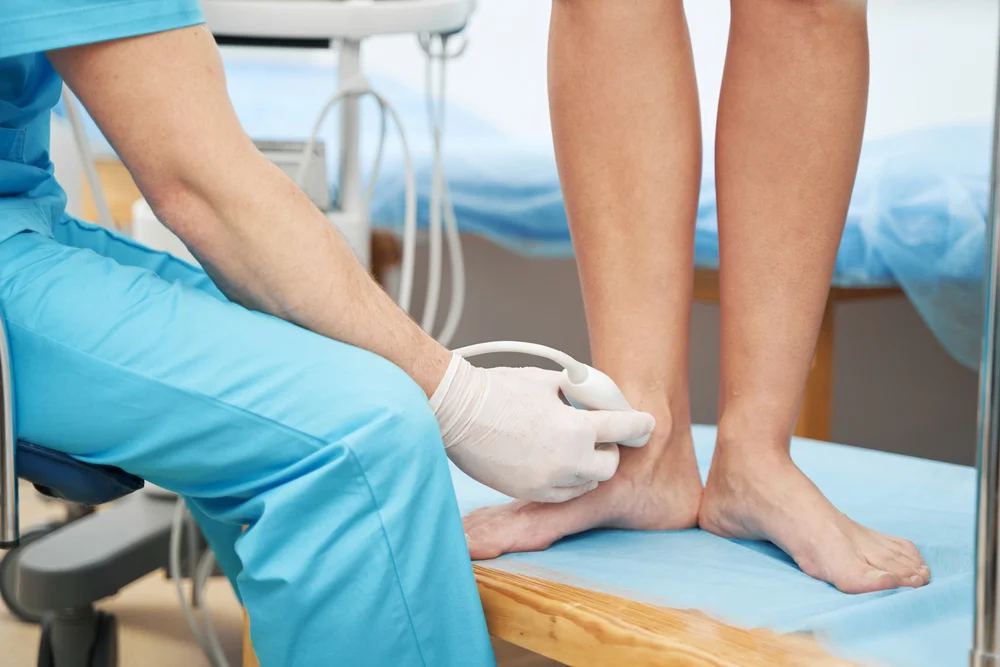
Podiatrists treat more than sore feet. They diagnose complex problems that affect walking, balance, and daily life. In the United States, foot and ankle issues are common because of aging, diabetes, sports injuries, and long hours of standing at work. Accurate diagnosis starts with strong clinical skills. These skills help podiatrists spot problems early and choose the right care plan.
Understanding podiatry clinical skills matters because small mistakes can lead to long-term pain or loss of mobility. A missed fracture or nerve issue can change how a patient walks for life. In the US, where diabetes and obesity rates remain high, podiatrists often act as the first line of defense against serious foot problems. Good skills protect patients and support better outcomes.
In this article, you will learn the key clinical skills every podiatrist needs. We will cover foot diagnosis skills, podiatry assessment skills, foot and ankle evaluation, technology skills, podiatric procedures, and daily foot care techniques.

Why Strong Foot Diagnosis Skills Matter in the US?
Foot diagnosis skills help podiatrists find the true cause of pain instead of guessing. Many conditions, like plantar fasciitis, stress fractures, or nerve problems, can feel similar at first. In the US, these kinds of symptoms are especially common among athletes and older adults.
Good diagnosis reduces unnecessary imaging and tests, saving time and money. It also plays a role in medical documentation and insurance claims, which are central to the American healthcare system.
What Podiatry Assessment Skills Support Accurate Diagnosis?
Podiatry assessment skills start the moment a patient walks into the room. Observation matters more than many people think. A strong assessment often includes:
- Watching how the patient walks and stands
- Listening closely to the patient’s history and daily habits
- Checking skin color, temperature, and swelling
- Testing range of motion and strength
In American clinics, time is limited. Still, a clear and repeatable assessment process helps podiatrists stay focused. Research published in the Journal of Foot and Ankle Research shows that structured exams reduce missed diagnoses in busy practices.
Clear notes are also part of assessment skills. Accurate records support follow-up care and meet US insurance and legal standards.
What Podiatry Assessment Skills Clinicians Use First
Podiatry assessment starts with listening carefully. Patients often give clues about their pain during history taking — when it started, what makes it feel worse, and what daily activities they do. Then comes visual inspection and palpation (feeling for tenderness or swelling).
Assessment also includes checking circulation, especially for patients with diabetes. According to the U.S. Centers for Disease Control and Prevention, foot ulcers and poor circulation are major health risks for diabetic patients. Early assessment skills help podiatrists spot problems before they become serious.
How Foot and Ankle Evaluation Guides Treatment
Foot and ankle evaluation tests movement, structure, and walking patterns. Podiatrists check range of motion, muscle strength, and how the foot interacts with the ground. Gait analysis — watching how a person walks — tells a lot about balance, pain, or weakness.
In many clinics, simple tools and careful observation are enough to start. Strong evaluation skills also help when imaging is needed. Indeed, healthcare skills, mastering core competencies like clinical assessment and decision-making, improve care quality across healthcare roles.
How Technology Skills Improve Accuracy
Podiatry technology skills support, not replace, clinical judgment. X-rays and imaging help confirm suspected conditions like fractures or arthritis. Knowing how to read and interpret basic diagnostic images is a key skill — both for accurate diagnosis and for conveying findings to patients.
ResuMeds highlights that electronic health record (EHR) skills are increasingly important in modern healthcare to track patient history and results consistently. Strong documentation helps podiatrists track changes over time and coordinate with other specialists.
Which Podiatric Procedures Require the Most Skill
Some procedures look small but require precision. Trimming nails improperly can cause infection, and injections demand correct placement. Wound care, especially for diabetic patients, requires careful technique to avoid infection and promote healing.
According to podiatry job descriptions, podiatrists not only diagnose and treat problems but also prescribe orthotics, perform surgeries, and educate patients.
How Do Podiatrists Stay Current with Clinical Skills in the United States?
Clinical skills are not static, and in the United States, podiatrists must continually update their knowledge and abilities to meet licensing requirements and provide high-quality patient care. Many do this through continuing education courses, participation in state and national podiatry association conferences, regular review of peer-reviewed medical journals, and training sessions offered by hospitals and clinics.
Each year, new research emerges in areas such as biomechanics, wound care, and diagnostic imaging, making ongoing learning essential. Staying current helps podiatrists avoid outdated practices and remain aligned with U.S. standards of care. Based on many professionals’ experience reviewing clinic outcomes, podiatrists who regularly invest time in refreshing their clinical skills tend to report fewer complications and higher levels of patient satisfaction.
Why Foot Care Techniques Shape Long-Term Outcomes
Foot care at home is a big part of long-term health. Podiatrists teach patients how to inspect their feet, care for nails, and choose supportive shoes. Many foot problems are driven by poor footwear or neglect. Education prevents injuries, reduces pain, and saves clinics time.
Skills in communication and patient education are linked to better outcomes. ResuMeds notes that good communication is vital in healthcare because it avoids mistakes and builds trust with patients.
How Continuing Education Keeps Skills Sharp
Clinical skills do not stay strong without practice. In the US, podiatrists complete continuing education to keep licenses and stay current with new research. Events like the American Podiatric Medical Association Annual Scientific Meeting help clinicians learn new diagnostic approaches and treatments.
ResuMeds also points out that advancing in a healthcare career includes ongoing learning, certifications, and gathering new competencies — all of which directly support a clinician’s ability to diagnose and treat patients confidently.
Personal Insight on Skill Balance in Podiatry
From reviewing clinics and outcomes, professionals have seen that the best podiatrists balance strong hands-on examination skills with smart use of technology. They rarely skip a good physical exam before ordering tests, and they always explain findings in plain language — which earns patient trust and improves follow-through.
Clear basics and strong assessment skills matter more than complicated tools.
Final Thoughts on Accurate Diagnosis
Podiatrist clinical skills are the foundation of accurate diagnosis and effective care. From foot diagnosis skills to podiatry technology skills, each plays a role in helping patients move without pain.
For American podiatrists, strong clinical skills support better outcomes, patient trust, and long-term practice success. Clear exams, thoughtful evaluations, and simple communication still matter most, even as tools and research evolve.
If you want to explore current standards or research, trusted sources include the American Podiatric Medical Association, the CDC, and peer-reviewed podiatry journals. These resources support ongoing learning and better care for every patient who walks through the door.
Advance Your Career with a Winning Resume
Mastering clinical skills is only one part of building a successful career in podiatry—presenting your expertise effectively is just as important. Whether you’re a new graduate or an experienced practitioner, a well-crafted resume can make a powerful difference in how employers perceive your qualifications. Highlighting your diagnostic accuracy, patient care experience, and specialized clinical competencies in a clear and compelling way can set you apart in a competitive healthcare job market.
Advance your career with a winning resume that truly reflects your podiatrist skills and potential. At ResuMeds, we specialize in professional resume writing services exclusively for healthcare and medical professionals. Our expert writers understand what hiring managers look for and can help you showcase your strengths with precision and impact. Let ResuMeds help you create a standout resume that opens doors to new opportunities in podiatry and beyond.