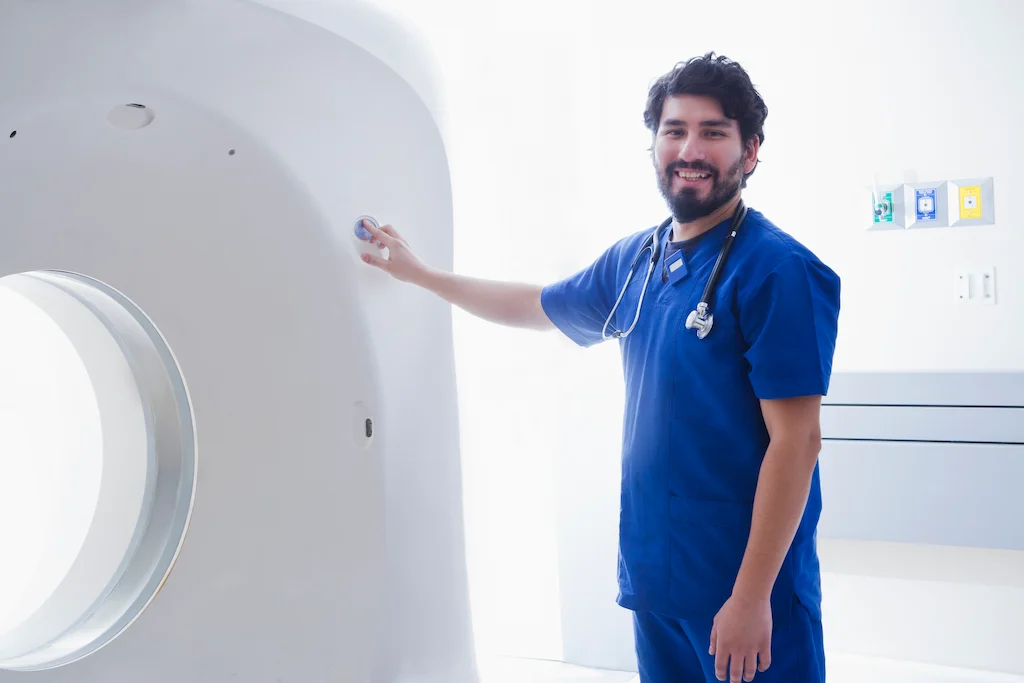

Writing a radiologic technologist resume can feel like a lot at first. You have many skills, many steps you do each day, and a lot of training to show. But you only have one page to talk about it. That can feel tough. The good news is that you do not need big words or long lines. You only need clear points that show what you do best.
Radiology is growing fast in the United States and in many other countries. More people need imaging for checks, injuries, or health problems. This means more jobs. But it also means more people are applying. If your resume is simple, warm, and easy to read, you will stand out fast.

What is a Radiologic Technologist?
Before we dive into practical tips, let’s first understand what a radiologic technologist is. In simple terms, it is someone who uses imaging tools to help doctors see inside a patient’s body. You help with X-rays, CT tools, and other machines that show what is going on. Your work helps doctors find injuries, spot problems, and plan treatment. That is why your role is important.
When you write your resume, it helps to know how people see this job. Hiring managers want someone who is safe, careful, and patient-focused. They want someone who can run the machine and also help people stay calm. Your resume should show both sides. Your technical skill and your human care.
What does a Radiologic Technologist Do?
A radiologic technologist does many things each day. You meet patients, explain what will happen, and help them feel safe. You set up the machine, check the settings, and place the patient the right way. You take images, check if they are clear, and repeat only when needed. You also follow safety rules to protect everyone from too much radiation.
These simple tasks make a strong list for your resume. Hiring teams want to see them. They want to know you can handle different tools, busy days, and worried patients. They also want to know you can work well with doctors, nurses, and other techs. When you talk about these tasks in a warm and clear tone, your resume becomes easier to trust.

Step-by-step Guide in Writing Radiologic Technologist Resume
Writing your resume becomes much easier when you follow small steps. Each part has a purpose. Each part tells a small piece of your story. When you put these parts together, hiring teams can see the full picture of who you are and how you work.
Read the Job Post First
Before writing anything, read the job post with care. Look for what the employer wants. You may see skills like patient positioning, exposure control, trauma imaging, or radiation safety. These words matter. If you add the same words in your resume, it shows that you fit the role. It also helps your resume pass screening tools that scan for keywords.
Write a Good Resume Headline
Your headline sits under your name. It is the first thing people read. Keep it short and simple. You can say Registered Radiologic Technologist or Radiologic Technologist with Imaging Skills. This helps hiring teams understand your role right away.
Think of Best Professional Summary
Your summary is a short note about your work. Think of it as telling someone what you do in a friendly way. Keep it three or four lines. Share your years of experience, the types of machines you use, and the way you help patients. You can also mention if you help reduce repeat scans or support fast care in busy shifts. These small details show your value in a real way.
Plot Your Work History
Start with your most recent job. Add simple details like your title, the place, and the dates. Under that, write short lines about what you did. You can talk about taking clear X-ray images, helping with trauma cases, working with portable machines, or keeping strong safety steps. These things show real experience.
If you trained new team members, helped improve workflows, or supported the emergency room, add that. It shows teamwork and leadership. You do not need long lines. Short and clear works best.
Add Your Education
List your degree or certificate. Add the name of the school and the year. If you took classes on imaging safety, trauma imaging, or patient care, you can add that too. This makes your resume stronger, especially if you are early in your career.
Show Your Certifications
Certifications matter a lot. Many jobs need ARRT certification or state licences. Make a small section for certifications. Add each one in a simple list. Include the year. If you renewed your certification or did continuing education, add that note. It shows you stay updated and serious about your field.
Add the Tools You Can Use
Hiring teams want to know what tools you can handle. You can list digital X-ray tools, portable imaging machines, fluoroscopy basics, or CT skills. You do not need long explanations. Just write the tools you are comfortable using.
List Soft Skills
Soft skills show how you act in the room. Add skills like empathy, patience, teamwork, and clear communication. These show that you care about patient comfort and can talk in a calm way. They also show that you handle stress well, which is important in a busy imaging room.
Add Training or Volunteer Experience
If you are new in the field, your training matters a lot. Add your clinical hours, the site where you trained, and the tasks you did. This helps replace work history if you do not have much job experience. If you did volunteer work related to health or care, you can add that too.

Key Skills to Include in Radiologic Technologist Resume
Your skills section helps hiring teams see what you bring to the job at a quick glance. Try to list both technical and soft skills. This helps show the full picture of how you work. Keep the words simple and easy to read.
What Technical Skills Should You Add?
Technical skills show your ability to use imaging tools and follow safe steps. Add skills like digital imaging, exposure control, patient positioning, radiation safety, image checks, and equipment care. These are common skills for rad tech jobs. Adding them helps show that you can handle the daily work without extra training.
What Soft Skills Make Your Resume Stronger?
Soft skills help you handle patients with care. They also show how you support your team. Add skills like clear communication, calm support, teamwork, patience, and problem-solving. These skills help in busy shifts, trauma cases, or times when a patient is scared or unsure. They show that you treat people with kindness and respect.
Why Add Detail and Accuracy Skills?
Your job needs careful steps. You must follow rules, limit radiation, and take clear images. Add skills that show accuracy and attention. You can mention strong focus, careful image checks, and safe handling. If you helped cut down repeat scans or improved imaging quality, add that too. These small notes make a big difference.
Why Are Safety Skills Important?
Safety is a major part of the job. You use tools that must follow strict rules. Add skills like radiation protection, proper shield use, and safe machine handling. If you took classes on safety or helped with safety checklists, add that. It shows that you take safety seriously every day.
How Does Teamwork Fit into Your Resume?
You work with many people. Doctors, nurses, techs, and support teams all count on you. Add skills that show you can work with others. You can talk about helping during busy times, supporting trauma care, or keeping fast communication. These skills show you are someone the whole team can trust.