

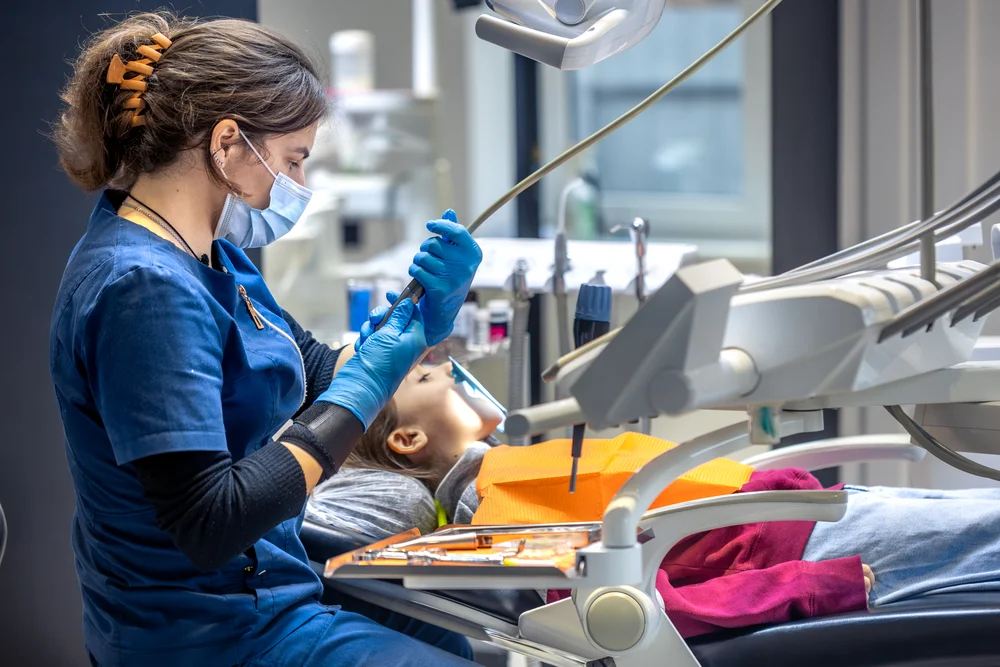
Dentistry is more than fixing teeth. It is a mix of science, hands-on work, and people skills. For dental students in the United States, the journey starts long before the first patient visit. Learning the right dental student skills early can make school less stressful and future practice more rewarding.
Dental school is demanding. According to the American Dental Association, students face heavy course loads, long clinic hours, and early patient contact. Those who build essential skills for dental students early often feel more confident and prepared. These skills also help students meet clinical standards and patient safety rules set by U.S. dental boards.
In this article, you will learn about the core skills for dentistry students, why they matter, and how to start building them early. The focus is on simple, useful skills that support success in dental school and real practice.
Why are Essential Skills for Dental Students Important?
Dental students do not just learn facts. They learn how to work with their hands, think fast, and talk to people under stress. Skills needed for dental students help bridge the gap between the classroom and the clinic.
Research shared by the Journal of Dental Education shows that early skill development improves clinical performance and lowers anxiety during patient care. In the U.S., where dental programs follow strict accreditation rules from the Commission on Dental Accreditation, students must show skill growth from year one.
Why Should Dental Students Build Skills Early?
Learning skills ahead of time helps students in several ways. It reduces anxiety during clinical rotations. It improves patient trust. It also helps students adapt faster to new tools and cases.
A 2023 update from the American Dental Education Association highlighted a growing gap between academic knowledge and clinical readiness. Schools are responding by adding earlier simulation labs and patient interaction. Building skills early gives students more time to improve before graduation.
Clinical Skills for Dental Students
Clinical skills are the foundation of dentistry. These skills take time and practice to build.
Hand control and fine motor skills
Dentistry requires steady hands. Simple tasks like wax carving or tooth preparation train muscle control. Many U.S. dental schools suggest students practice hand skills even before school starts. Activities like drawing, sculpting, or model building can help.
Basic infection control
Understanding infection control is a must-have skill for dental students. The Centers for Disease Control and Prevention provides clear dental guidelines for safety. Learning proper glove use, surface cleaning, and sterilization early protects both students and patients.
Knowing when to restore, extract, or refer a case is vital. Early exposure to case discussions and observation helps students connect theory with real situations. Many schools now use case-based learning to help students think like dentists early on.
Chairside awareness
Knowing how to move around the dental chair matters. This includes patient positioning, instrument passing, and posture. Poor habits can lead to back and neck pain, which is a known issue among U.S. dentists, according to ADA health reports.
Skills Supporting Learning and Exams
Dental school is academically intense. These skills help students manage the load.
Time management
Dental students juggle labs, lectures, and clinics. Time planning is one of the most essential skills dental students should develop while still attending school. Simple tools like weekly planners or digital calendars help keep tasks clear.
A study from the American Dental Education Association found that students with strong planning habits perform better in preclinical courses.
Study habits that work
Reading alone is not enough. Active recall, group study, and visual aids help memory. Dental topics are complex, but simple study systems make them easier to handle.
Stress control
Stress is common in dental programs. The American Student Dental Association often highlights mental health awareness during national meetings. Learning calm breathing, short breaks, and sleep routines early supports long-term success.
Communication Skill: A Must-Have Skill for Dental Students
Dentistry is people-focused. Patients often feel fear or pain. Clear communication builds trust.
Talking to patients
Explaining procedures in simple words is key. Many U.S. patients have limited health literacy. Using plain language helps patients understand care plans and follow advice.
Listening skills
Good dentists listen more than they talk. Listening helps catch symptoms, concerns, and patient fears early. This skill also reduces complaints and improves patient satisfaction.
Team communication
Dental students work with assistants, hygienists, and faculty. Clear speech and respectful tone support smoother clinic sessions. Team-based care is a major focus in U.S. dental education today.
Core Skills That Support Ethics and Trust
Ethics is a core part of dental training in America.
Professional behavior
Showing up on time, dressing properly, and respecting rules build trust with faculty and patients. These habits reflect standards set by state dental boards.
Honesty and accountability
Mistakes happen in training. Owning errors and asking for guidance shows maturity. Dental schools value students who take responsibility and learn from feedback.
Patient-centered thinking
Ethical care means putting patient needs first. This includes informed consent and respect for patient choices. The ADA Code of Ethics outlines these values clearly.
How Do Manual Skills Connect to Modern Dental Practice?
Technology is growing in dentistry, but manual skills still matter.
Digital scanners, CAD software, and new materials are common in U.S. clinics. Still, dentists rely on hand skills for precision and safety. Building these skills early helps students adapt to new tools later without losing control or accuracy.
Dental conferences like the ADA SmileCon often highlight the balance between hand skill and technology. Students who master the basics adjust faster to new systems.
When Should Dental Students Start Building These Skills?
The short answer is now.
Pre-dental students can start with simple habits. Dental students in their first year should focus on the basics before working on advanced procedures. Skills grow over time, not overnight.
Faculty across U.S. dental schools agree that early practice leads to better outcomes in clinics and licensing exams such as the INBDE.
How can students practice essential skills outside class?
Practice does not stop at school.
Students can use simulation labs when available. Many U.S. schools offer open lab hours. Volunteering at community dental events also builds confidence and communication skills.
Programs like Give Kids A Smile, supported by the ADA, allow students to see real patient needs early.
Essential Skills Dental Students Should Develop Early
Dental school is challenging, but it does not have to feel overwhelming. Building essential dental skills early gives students a strong base. These skills support learning, patient care, and long-term career health.
From hand control to communication, each skill builds on the next. In my experience reviewing U.S. dental education trends, students who focus on these basics early feel more prepared and confident later. Small daily practice leads to steady growth and better outcomes.
Recap: Core Competencies for Future Dental Professionals
Dental students must develop a strong blend of technical ability, critical thinking, and interpersonal skills to succeed in both clinical training and future practice. Manual dexterity is fundamental, as precise hand control directly affects procedures such as restorations, extractions, and impressions. Equally important is diagnostic competence—the ability to assess oral conditions accurately through observation, radiographic interpretation, and patient history evaluation. Communication skills are also essential; students must learn to explain procedures clearly, ease patient anxiety, and build trust. Time management, attention to detail, and adherence to infection control protocols further shape a competent and reliable dental professional. As dentistry continues to integrate digital tools, students should also become comfortable with evolving technologies like digital imaging systems and CAD/CAM applications.
For incoming dental students preparing for their journey—and for dental professionals seeking new career opportunities—presenting these skills effectively on a resume is just as important as developing them. A well-crafted resume can highlight clinical experience, certifications, and specialized competencies in a way that stands out to schools, clinics, and employers. To learn how to professionally showcase your dental skills and strengthen your career prospects, visit our webpage and explore our expert resume writing services today.