

Electronic Health Records are now used in almost every healthcare setting. You see them in hospitals, clinics, private practices, labs, and even in home health. Because of this change, healthcare workers need strong EHR skills to do their jobs well.
This blog explains what EHR means, why these skills matter, and what workers should learn. You will also see how different roles use EHR in daily work. By the end, you will understand the skills you need to stay ready, confident, and safe in a digital care environment.

What is Electronic Health Records (EHR)?
Electronic Health Records are digital files that store a patient’s medical information. These records include personal details, medical history, test results, and treatment plans. EHR systems help care teams see the same information at the same time, which reduces mistakes and delays.
Many countries now use EHR systems as part of their national health plans. In the United States, the use of EHR grew fast after the Health Information Technology for Economic and Clinical Health Act encouraged hospitals and clinics to use digital systems. The goal is to improve care quality and make patient data easier to access and share.
EHR systems are not all the same. Each hospital or clinic may use a different brand or platform. But the purpose is the same: keep patient information safe, accurate, and easy to find.
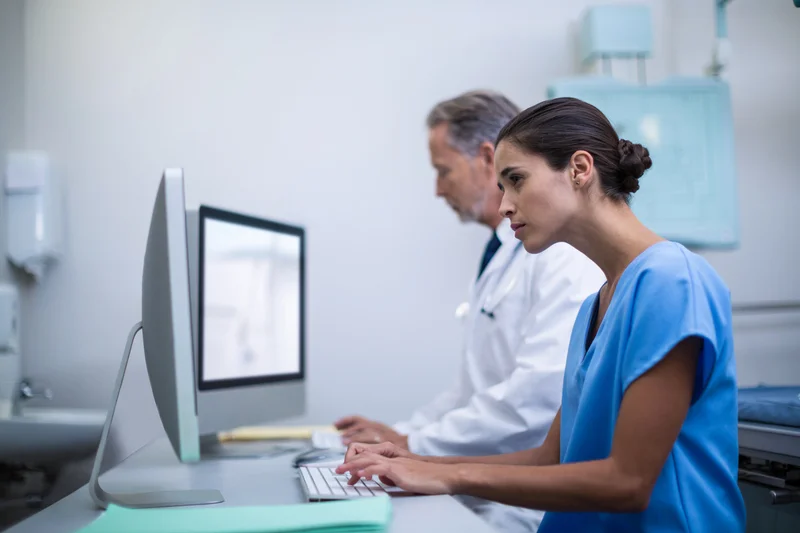
Why It’s Important for Healthcare Workers to Have EHR Skills?
Aside from other core medical skills, healthcare workers need EHR skills because patient care depends on accurate information. If the data is wrong or missing, it can lead to misdiagnosis, wrong medication, or delays in treatment.
You need strong EHR skills to:
- Record information correctly
- Read notes from other providers
- Keep patient data private
- Work faster when things get busy
- Follow hospital rules and national laws
Good EHR skills also help you work with larger care teams. When everyone enters clear information, doctors, nurses, and support staff can make better decisions. This improves patient safety.
EHR skills also matter for your career. Many job postings now list EHR knowledge as a requirement. If you understand how to use these systems, you have more job opportunities in hospitals, clinics, labs, and long-term care facilities.
Essential EHR Skills Healthcare Professionals Should Have
Healthcare workers use EHR systems in many parts of their daily work. You use them when you record notes, check test results, send updates, or review a patient’s history. To do these tasks well, you need a set of core skills that help you stay accurate and fast. These skills also help you reduce errors and make better decisions for patient care. The list below explains the key EHR skills every healthcare worker should learn and practise.
How to Enter and Update Patient Information
You need to know how to enter patient details in a clear and simple way. This includes symptoms, medical history, allergies, test results, and treatment updates. Many errors in patient care come from incorrect data entry. Learning the right steps reduces these risks.
Healthcare facilities train staff to use structured fields. This means you pick the right boxes, categories, or checklists so the system stores information in the correct place.
How to Read and Interpret Digital Charts
EHR charts look different from paper charts. There are tabs, timelines, pop-up alerts, and filters. You need to know where to look to find the information you need. This skill helps you work faster, especially in busy environments like emergency rooms or urgent care clinics.
Many workers use quick-view panels to check vitals, lab results, or recent notes. Knowing how to move through the chart without confusion makes your work smoother.
How to Use EHR for Medication Management
Medication safety is one of the biggest reasons EHR is important. Many systems have safety checks to warn you about wrong doses or dangerous drug combinations. To use this well, you need to understand how to place orders, review medication lists, and check alerts.
If you work in nursing, pharmacy, or primary care, this skill is key to preventing medication errors.
Understanding EHR Security and Privacy Rules
Healthcare workers must protect patient information. In the United States, this follows HIPAA. Other countries have similar laws to protect personal data. You need to know how to keep information private by using safe log-in practices, keeping your screen locked, and avoiding sharing information with people who do not have approval.
Privacy rules change as technology changes. Many hospitals update training every year to keep staff ready.
Knowing How to Navigate EHR Workflows
EHR systems follow workflows. For example, when a patient comes in for a check-up, you may follow steps like registration, history check, vital signs, physician notes, and billing. The system tells you what to do next.
Knowing these workflows helps you avoid missing steps. It also helps the whole care team work together.
Using EHR for Communication
Many EHR systems have tools for secure messaging. Instead of calling or sending emails, teams can send notes inside the record. This helps doctors and nurses share updates quickly with less risk of losing information.
Workers need to know when to message, what to write, and how to send updates to the right person.
Basic Troubleshooting Skills
EHR systems can slow down or freeze. You should know simple steps like refreshing the screen, checking your internet, or calling IT for help. You do not need to be a tech expert. You only need basic skills to keep your work moving when the system has small issues.

Different Roles That Require EHR Skills
Many healthcare jobs rely on EHR systems. Each role uses the system in a different way based on daily duties and patient needs. Some workers use EHR to record care, while others use it to review results, manage medication, or support billing. Understanding how each role uses EHR helps you see why these skills are important for the entire care team. The roles below show how EHR fits into different areas of healthcare.
Registered Nurses
Nurses use EHR systems more than almost anyone in the hospital. They record vital signs, enter notes, review orders, and update medication lists. Nurses also use EHR to track progress and send updates to doctors. Strong EHR skills help them stay organised and keep patient care safe.
Physicians and Specialists
Doctors use EHR to review patient history, order tests, write diagnoses, and create treatment plans. They also use the system to follow up on lab results and imaging. Good EHR skills help them make faster and more accurate decisions. Many physicians also rely on EHR to share updates with other specialists on the care team.
Medical Assistants
Medical assistants use EHR during patient intake. They enter basic information, update charts, and collect medical history. They also schedule appointments and send messages through the system. EHR skills help them stay efficient and support both patients and providers.
Pharmacists
Pharmacists use EHR to review orders, check for drug interactions, and confirm medication plans. They also document any changes or clarifications they make. Strong EHR skills reduce medication errors and help keep patients safe.
Allied Health Professionals
This includes physical therapists, occupational therapists, lab technicians, radiology staff, and respiratory therapists. They use EHR to enter test results, write progress notes, and track treatment plans. Clear and accurate notes help doctors understand the results and plan next steps.
Administrative and Billing Staff
These workers need EHR skills to file insurance claims, review coding, and update patient accounts. They also help schedule appointments and send reminders. Their EHR knowledge helps keep the financial side of patient care running smoothly.

Write a Compelling Medical Resume with Expert Guidance
If you want to build a stronger career in healthcare, showing strong EHR skills on your resume can help you stand out. A clear and well-written resume shows hiring managers that you are ready for modern patient care systems.
If you need expert help, you can work with a specialist who understands medical roles and hiring trends. At ResuMeds, we help medical professionals write strong resumes. Explore our medical resume services and talk with our experts today!